
Category: Resume

Problem-Solving Skills: Resume Examples and Writing Guide
“Problem solver” is easy to type and hard to trust. A hiring manager cannot see how you think from that label. They can see it when you describe a real issue, the judgment you used, the action you took, and what happened next. That proof may come from fixing an error, improving a slow process,…

Transferable Skills: Examples and Resume Guide
You may be changing industries, but you are not starting from zero. The useful question is not, “Have I already held this exact title?” It is, “Which parts of my past work solve problems this employer has now?” Start with proof. Pull a real task from a job, class project, military assignment, volunteer role, or…

Employment Gaps on Resume: Examples and Writing Guide
Your work history ends in March 2024 and starts again in February 2026. The dates are accurate, but the empty space can make you feel as if you owe the reader a life story. You usually don’t. Explain a recent, substantial break only when the missing context may distract from your qualifications. A neutral label,…

References on a Resume: Should You Include Them or Not?
THE QUICK ANSWER Usually, leave references off your resume. Prepare a separate reference list and share it when requested. If the employer specifically asks for references inside your resume, follow those instructions. Your resume shows your qualifications and relevant accomplishments. Your references help an employer learn more about your work from people who have seen…

How to Write a Resume for a Returnshipor Return-to-Work Program
You spend an hour trying to make the gap on your resume less noticeable. Then you open the program’s requirements: applicants must have taken an extended career break. The detail you were hiding is part of what makes you eligible. For these applications, make two things easy to see: that your background meets the program’s…

Resume for an Internal Promotion: Examples and Writing Guide
Your manager knows you’re dependable. Your coworkers come to you when something gets complicated. Then an internal opening appears, and your resume still describes the person the company hired four years ago. That leaves your strongest case unwritten. Keep the familiar resume structure, but select evidence for the responsibilities of the role you want: decisions…
Objective for Resume for Freshers
A career objective for freshers names the job you want, highlights relevant qualifications or skills, and explains how you could contribute. It can help introduce your direction when you are applying for your first job or an internship. Below, you will find simple resume objective examples, options for different jobs and qualifications, and a practical…
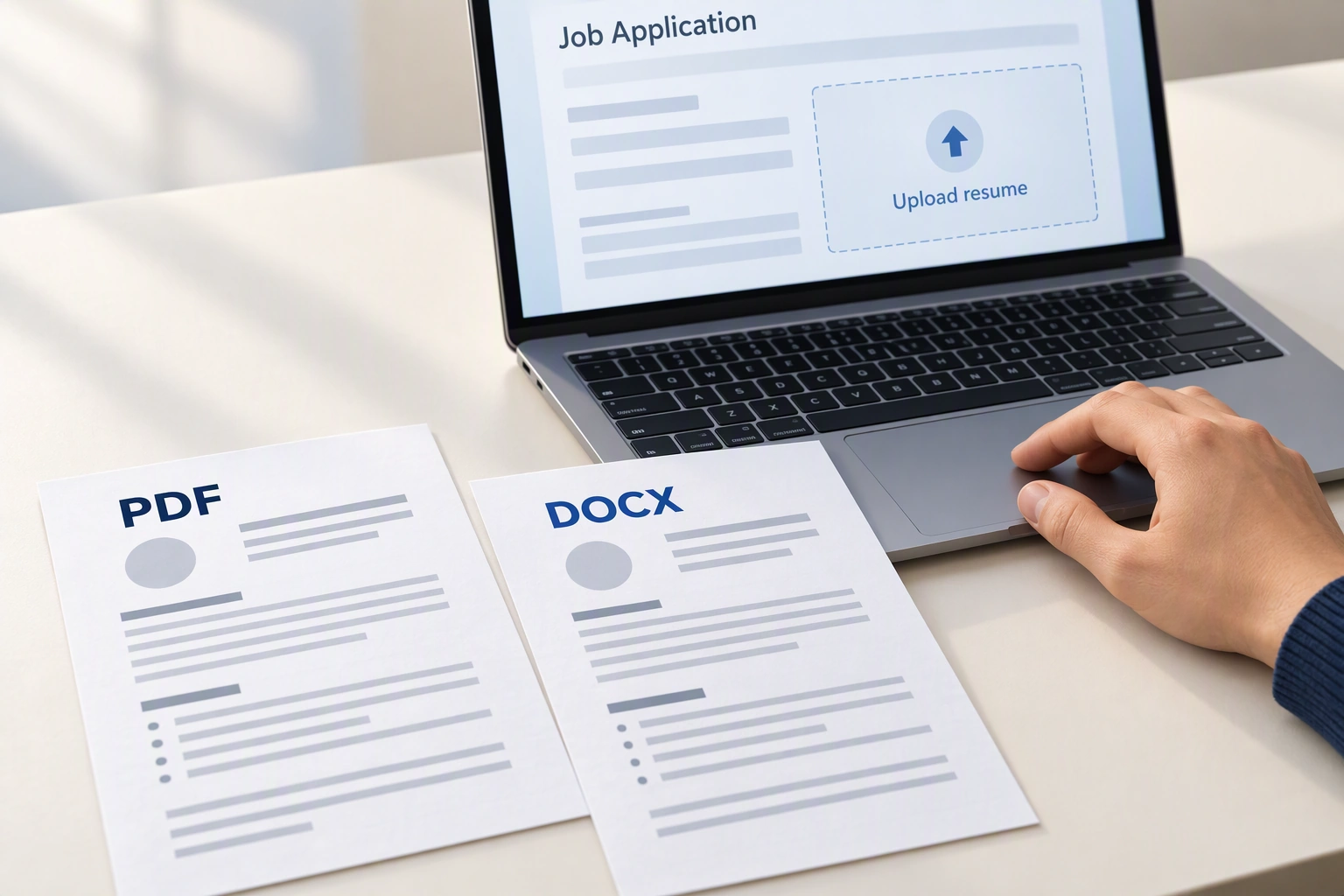
Resume PDF vs. Word: Which File Should You Submit?
You’ve checked every date, tightened your bullets, and finally clicked Apply. Now the upload box accepts both PDF and Word, and two tabs of advice are telling you opposite things. Start with the employer’s instructions. When both formats are accepted and no preference is stated, a checked, text-based PDF is a practical default. It preserves…
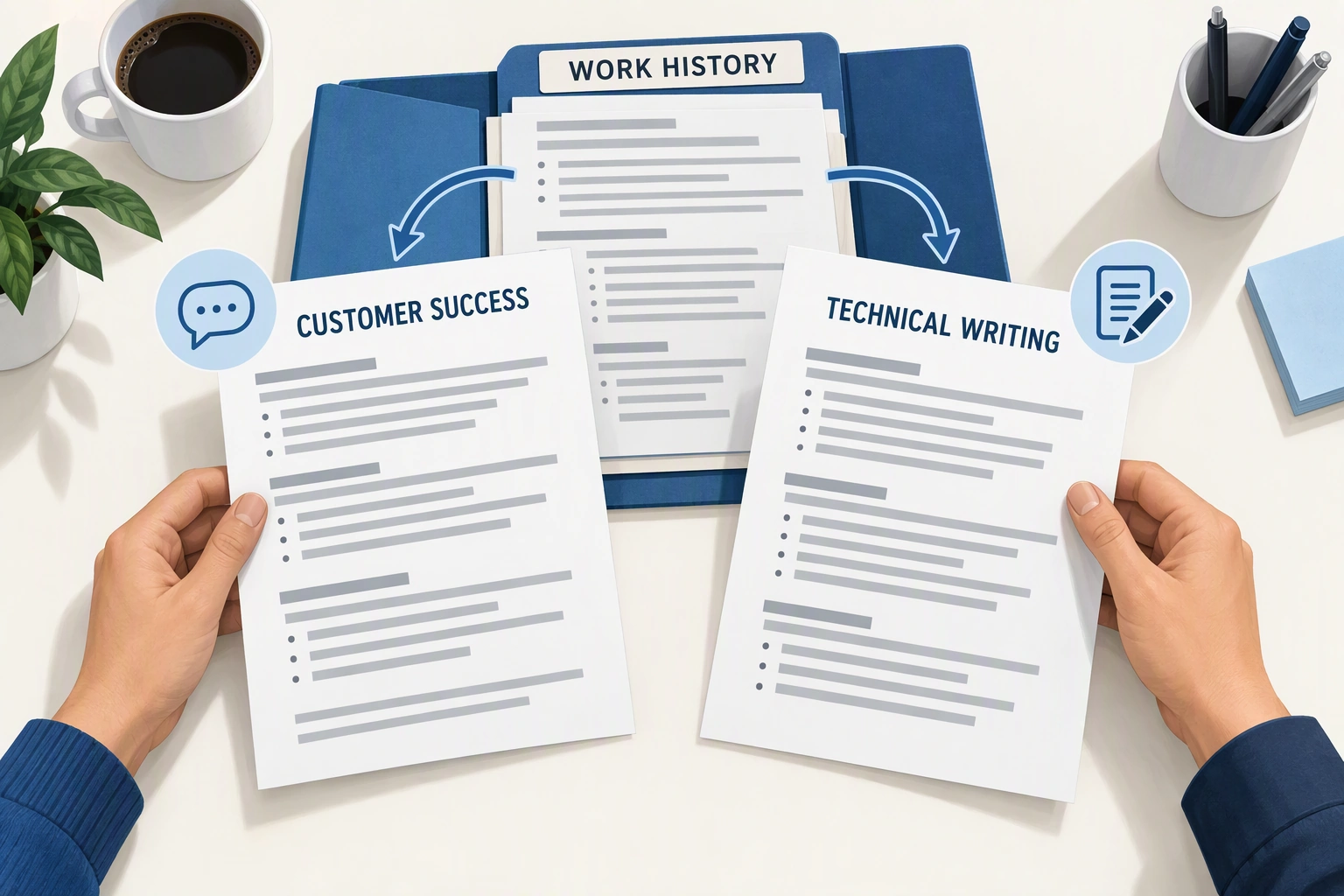
How to Write a Resume for Two Different Career Paths
One job posting wants someone who can guide customers through a new product. Another wants someone who can write instructions people actually understand. You’ve done both. Then you open your resume and try to make one opening paragraph sell two different careers. That’s where the document starts losing its direction. For distinct targets, build one…

How to List a Job You Just Started on Your Resume
You’ve started the job. You haven’t finished onboarding. Now someone wants your resume, and the newest entry feels almost empty. If the role helps explain your experience or current situation, you can include it now. Put it first within the appropriate experience section, using your actual title, employer, and start month and year–Present. Add a…