
Category: Resume

Should a Resume Be One Page?
No, a resume does not always have to be one page. A one-page resume works when it gives an employer enough relevant information to understand your qualifications without making the layout crowded. The goal is not to follow a strict page-count rule. The goal is to make your experience, skills and achievements easy to find.…

How Many Pages Should a Resume Be
Quick answer Most resumes should be one or two pages long. Use one page when your strongest qualifications fit comfortably. Use two pages when relevant experience, achievements, projects or certifications need more room. A three-page resume is less common and should have a clear reason behind it. The right length is the shortest length that…

Can A Resume Be 2 Pages?
Yes, a resume can be two pages. A second page is completely acceptable when it contains relevant experience, achievements, skills or qualifications that help an employer evaluate you. You do not need a two-page resume simply because you have worked for a certain number of years. The right length depends on how much useful information…

How to List Languages on a Resume: Proficiency Levels, Examples and Tips
Language abilities can strengthen your resume when they help you communicate with customers, patients, coworkers or international partners. They may also distinguish you from similarly qualified applicants, particularly when an employer serves multilingual communities or conducts business in several countries. However, simply adding “Spanish” or “French” does not tell an employer how effectively you can…
How to List Publications on a Resume: Formats, Examples and Writing Tips
Publications can demonstrate research ability, writing expertise, industry knowledge and professional credibility. A peer-reviewed study may strengthen a scientific application, while a published article can support a writer, editor or communications professional. However, publications only improve a resume when they are relevant and presented clearly. An overly detailed list can distract from stronger qualifications or…
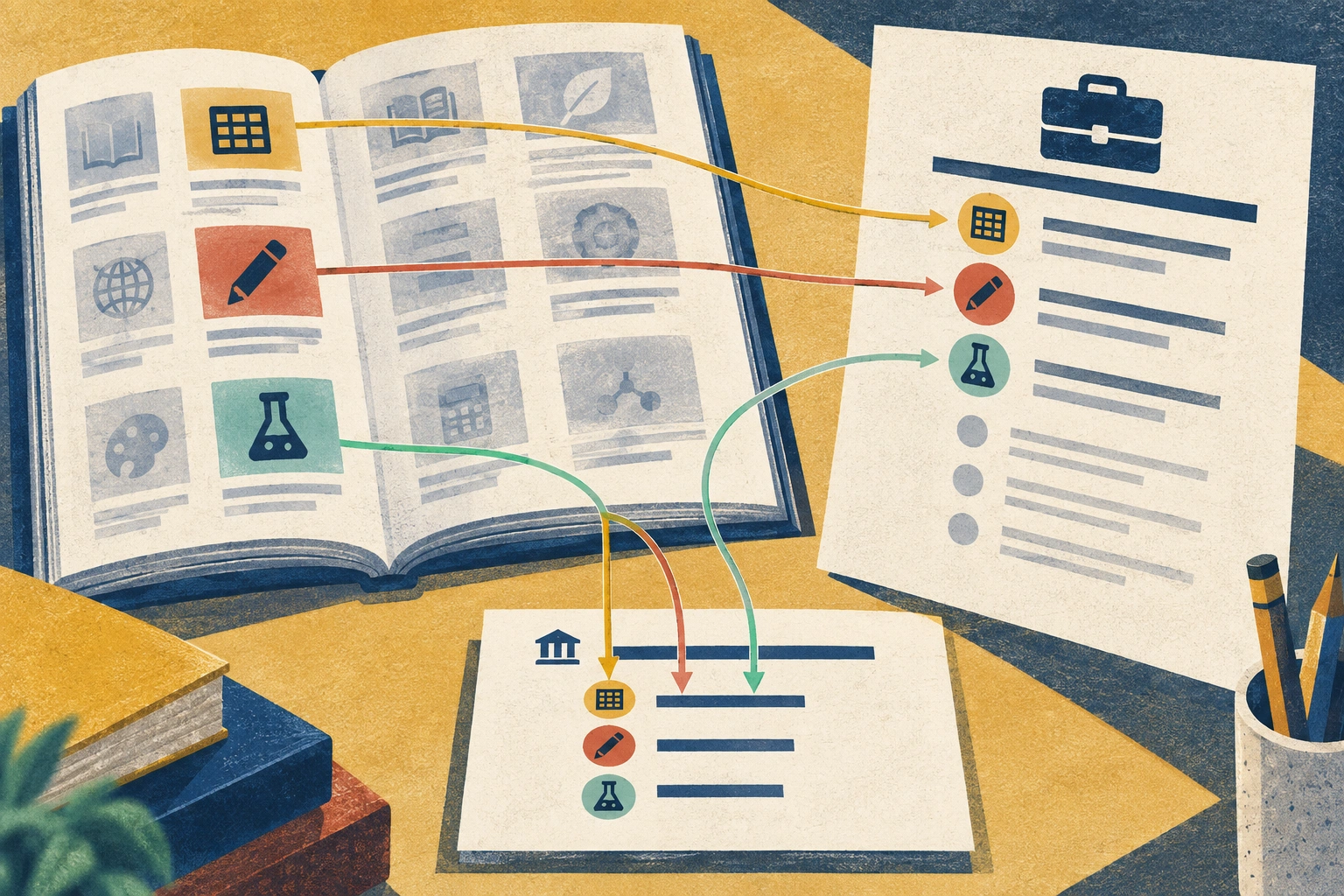
How to List Relevant Coursework on a Resume: Examples for Students and Internships
When you have limited work experience, your classes can help show employers what you already know. The key is choosing coursework that connects directly to the position rather than filling valuable resume space with every class on your transcript. Learning how to list relevant coursework on a resume can help you demonstrate job-related knowledge, practical…

How to List Projects on a Resume: Academic, Personal and Professional Examples
Projects can prove that you know how to apply your skills, not simply list them. A well-chosen project can strengthen a resume when your employment history does not fully reflect your abilities, whether you are a student, recent graduate, career changer, freelancer or experienced professional. The key is to present work that matters to the…

Resume Accomplishments and Achievement : 75+ Examples
A resume should do more than describe what you were hired to do. It should show the value you created while doing it. Strong resume accomplishments turn routine duties into evidence of problem-solving, initiative and results. In this guide, you will learn how to identify achievements for a resume, write focused accomplishment statements and adapt…
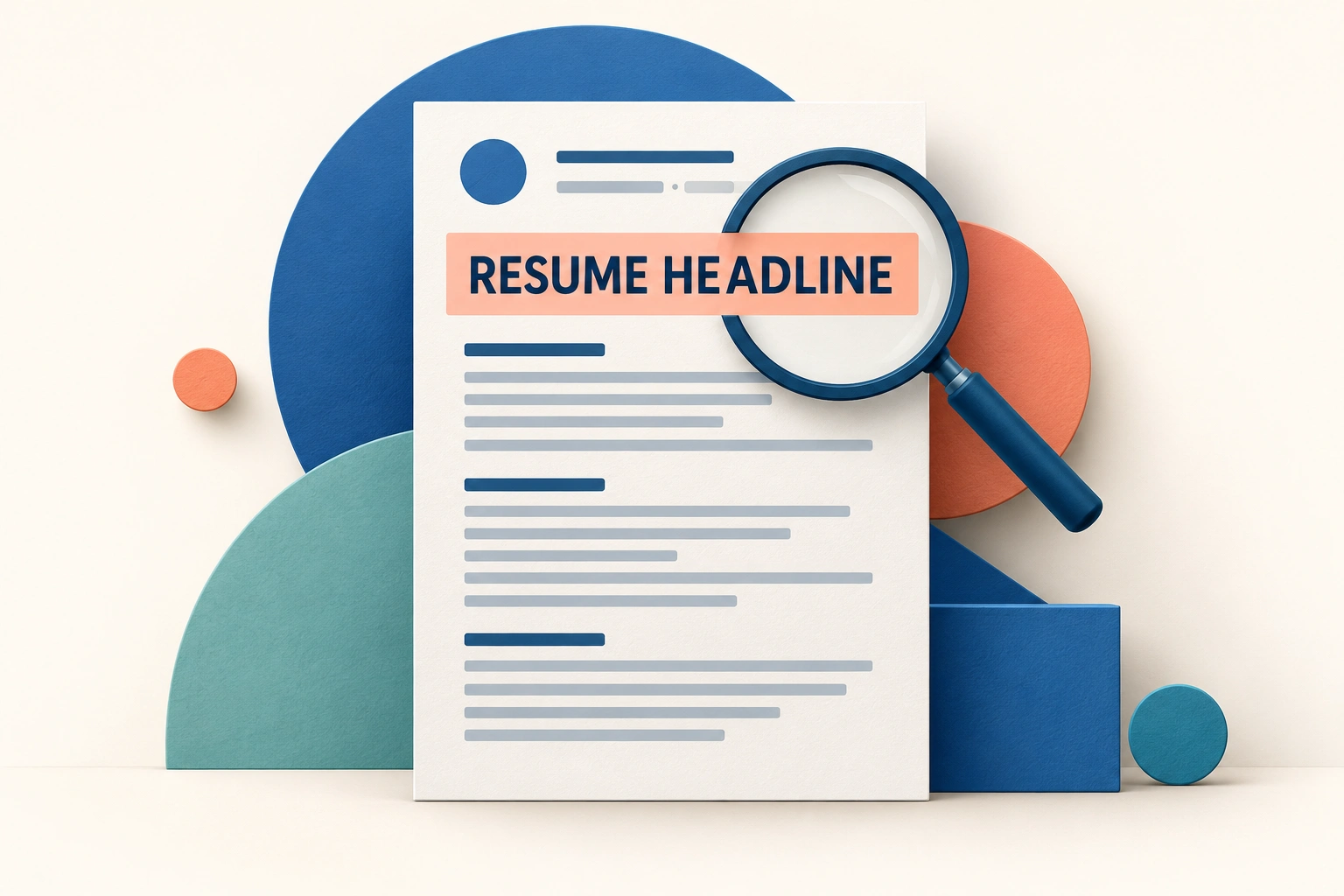
Resume Headline Examples for Every Career Level: 50+ Resume Titles That Get Noticed
Recruiters often begin by scanning the top portion of a resume, yet many candidates waste this valuable space on a vague description. A well-written resume headline immediately communicates the role you want, the expertise you offer, and the value you could bring to an employer. This guide explains how to create a concise, targeted headline…

STAR Method for a Resume: Examples and How to Use It
The STAR method helps you turn a job duty or experience into evidence of what you did and what happened because of it. STAR stands for Situation, Task, Action and Result. The method was created for structured interview responses, but it can also help you write stronger resume bullets. The important difference is length: an…