


A faculty interview is more like a long visit than a short test. You meet future colleagues, give a research talk, and sometimes teach a sample lesson.
The committee wants to know what it would be like to work with you. Here are the ten questions they ask most, each with a full sample answer you can reshape for your own field.
Key Takeaways
- Show student learning, not just teaching effort. One clear story about a student who improved beats a long list of methods.
- Name a research plan with clear next steps. Say what you will study, who you will work with, and how you will pay for it.
- Ask for what you need plainly. A short, honest list of space, tools, and time shows you have thought it through.
- Protect student privacy without being asked. Say how you keep grades and records safe. It earns trust fast.
Teaching and Mentoring Students
Your daily work with students comes first here. The committee wants to see that you can reach beginners, notice who is lost, and keep every learner seen and safe.
How Would You Design and Teach a First-Year Course?
The committee is really asking how you would teach a class full of beginners.
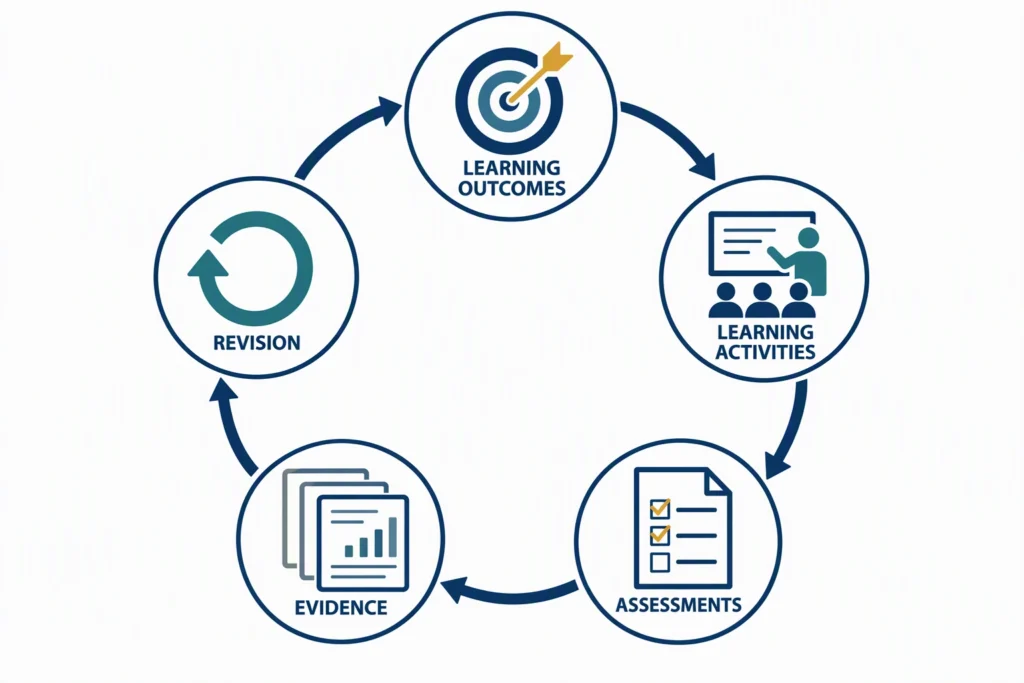
Frame it this way: Start with the goal, not the topic list. Say what students can do by the end, then name how you check they are getting it.
“When I taught my first intro class, I learned quickly that beginners need small steps. I built the course around one clear question for each week. I started every class with a short review of the last one. I gave short weekly tasks instead of one big test, so I could see early who was lost. I also asked students to write a one-line summary at the end of each class. When half the class missed the same point, I slowed down and taught it a new way the next day. By the end of the term, students could explain the main ideas in their own words. Now I plan every course the same way: short weekly checks, quick fixes, and one clear question per week.”
Tell Us About a Time You Helped a Struggling Student.
The committee is really asking how you care for a student who falls behind.
Frame it this way: Pick one student and tell the whole story. Show what you noticed, what you changed, and what happened next.
“A student in my intro class stopped coming to office hours and started missing class. I emailed her and asked to meet. She told me she worked nights and could not finish the long readings. I split the readings into short parts and gave her a simple checklist for each week. We met for fifteen minutes every week to go over what she had done. We also set one small goal per week, like finishing one reading and one short task. I also told her it was fine to turn in work late when her job ran long. She started coming to class again. She finished the course with a strong grade. Now I check in early with any student who goes quiet, because the fix is often small.”
How Do You Make Your Classroom Welcoming for Every Student?
The committee is really asking whether every student can succeed in your class.
Frame it this way: Name two or three small things you actually do. Show you think about students with different needs and different backgrounds.
“I keep my slides simple with large text so everyone can read them. I hold office hours at two different times, because some students have jobs or care duties. When I form groups, I mix quiet students with talkers so no one is left out. A student once told me she had never spoken in class before my course. I had given her a written question before each discussion, so she could think first. She started speaking up by the third week. I also ask students in week one how they learn best, and I change my plans when many pick the same answer. Now every class starts with clear materials, flexible meeting times, and ways for quiet students to join in.”
How Would You Mentor Students?
The committee is really asking how you guide a student through real work.
Frame it this way: Show how you take a student from a rough idea to a finished piece of work, how often you meet, and how you give feedback.
“I mentored an undergraduate who wanted to do research but had never done any. We met weekly for the first month. I helped her pick a small question she could finish in one term. I read her drafts and marked what was strong before I marked what needed work. I set one goal for each meeting so she never left confused about the next step. When she hit a dead end, I helped her change the plan instead of starting over. She finished the project and presented it to the department. She later told me the weekly meetings were the reason she finished. Now I mentor every student this way: start small, meet often, and praise the good parts first so they keep going.”
Present your performance experience and musical training with this musician resume guide.
Research and Resources
Next comes your future as a researcher. The committee wants a scholar whose work will keep growing here, and who can name what they need. Be clear and honest; they can tell when someone is guessing.
Learn what to research before applying for a job to better understand the employer and position.
What Is Your Research Plan for the Next Few Years?
The committee is really asking whether your research has a future, not just a past.
Frame it this way: Name one project you will finish and one you will start. Say why each matters and who might read it.
“My next step is to finish the project I started in graduate school and turn it into two articles. Then I will start a new project on how local libraries support new readers. I chose this because it links my old work to a question that schools and public programs care about. I plan to work with one graduate student on the second part, so it also feeds my mentoring. I have already read the main studies in this area and talked with librarians about what data they hold. I will also apply for a small internal grant in year one to fund a research assistant for one term. In five years I want a clear record: finished projects published, a new line of work underway, and students who have learned from both.”
Build an application around your education and achievements with this college student resume guide.
What Help and Funding Would You Need?
The committee is really asking if you know what you need to start strong.
Frame it this way: List space, tools, and time plainly. Name the outside grants you will apply for.
“To start well, I need a small lab room for four students, basic computers and desks, and one teaching assistant in the first year. I would also like a lighter teaching load at the start so I can set up my projects. For funding, I plan to apply for a national research grant in my first year, and I have already read its call for proposals. I have also found two smaller grants that fit the early stage of my work. I built a simple budget with my mentor, so I know the cost of each item. I am happy to share that budget with the committee. My habit is to ask early and ask for only what the work needs.”
Showcase your experience organizing youth activities with this after-school program coordinator resume guide.
How Would You Handle a Research or Student-Record Problem?
The committee is really asking if you can protect people and records when something goes wrong.
Frame it this way: Show you act fast, tell the right people, and fix the cause, keeping names and grades private.
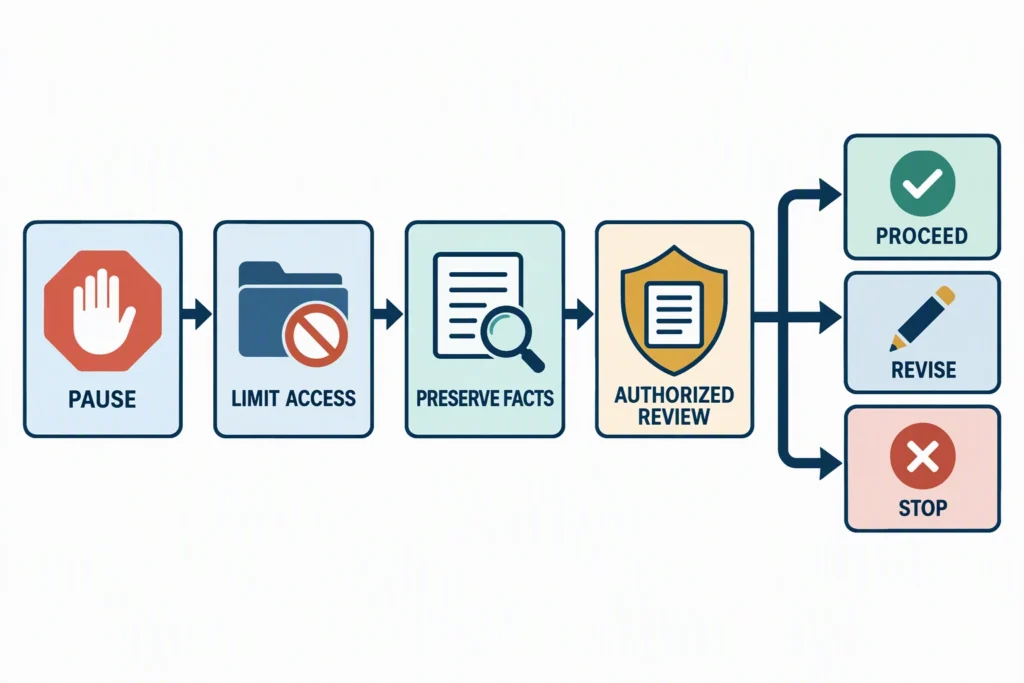
“Last year I found a mistake in a shared lab file: two sets of notes had been mixed up. I stopped using the file right away and told my lab partner what I had found. We went back to the original notes and fixed every wrong entry. I then set up a simple rule: only one person edits the file at a time, and every change is saved under its own date. For student records, I keep grades in the school’s locked system and never email them. I once had a student ask for another student’s grade, and I said no and explained why. When a problem appears, I act the same day and fix the process so it cannot happen again.”
Find a layout that suits your administrative background in these office resume templates.
Fit, Service, and Balance
Last comes life in the department. The committee wants a colleague who adds to the place, not just a strong record. Show you know this school and where you fit in it.
Tell Us About Your Work and Why It Fits This Department.
The committee is really asking if your work belongs in this department.
Frame it this way: Say what you study in two sentences. Then name one or two people here you would work with, and what you would do together.
“I study how children learn to read in homes where books are scarce. My work blends reading research with community programs. It fits this department because you already have a strong early-literacy group, and my community projects would add a new setting to their work. I would like to work with your reading clinic on joint studies. Our first project could study how families use the books they already own. I could also teach your course on community literacy in my first term. I have also run reading programs with local schools, so I can bring those partners to the department for joint work. I am not looking for any department; I applied here because the people and the programs match what I do.”
Explain your research interests and relevant abilities with this research assistant cover letter guide.
Tell Us About Teamwork or Service That Made a Program Better.
The committee is really asking if you make the place better, not just your own career.
Frame it this way: Pick one committee or project where you did real work. Say what was broken, what you did, and what changed.
“In graduate school, our department’s welcome week left new students confused. I joined the planning group and found that no one had written down the schedule in one place. I made a single one-page guide with times, rooms, and contact names. I also set up a buddy pair for each new student with an older one. The next year, new students told us the first week felt easy, because they always knew where to go. I trained the next year’s planning group so the guide did not die with me. It is still used every fall. Now I volunteer for one service job at a time and finish it fully, because a finished small job helps more than a big one I never complete.”
Highlight your classroom support skills with these teaching assistant resume examples.
How Would You Balance Teaching, Research, and Service?
The committee is really asking how you will spend your time in real life.
Frame it this way: Sketch your week. Show you protect teaching and research time and keep service small and steady.
“I plan my week in blocks. Mornings are for research and writing, before email and meetings start. Afternoons go to teaching and student meetings. I do service work, like committee jobs, on one fixed day so it does not spread across the week. I also block one Friday afternoon a month to review how the plan is working. I learned this in graduate school, when I let service fill every gap and my writing stalled. Now I say yes to one service role at a time and finish it well. I review my plan every term and move blocks when the teaching load changes. Balance is not a perfect split; it is a weekly plan I actually follow, and I adjust it when the facts change.”
Explore these service resume examples for ways to present your experience and strengths.
Do a Mock Job Talk
Most campus visits include a research talk. Practice it in front of people who do not know your field. If they cannot follow it, simplify your words. Some schools also ask for a chalk talk: you outline future plans on a board, with no slides. Practice that too. Then rehearse the Q&A. Ask a friend to pose hard questions and pause before you answer. It is fine to say, “I need a moment to think.” Slow, clear answers beat fast, tangled ones.
Frequently Asked Questions
What if I have never been the main teacher of a course?
Talk about TA work, guest lectures, and workshops. Pick one class where you had real charge of the room, even for a few weeks, and describe what you did with it. Committees care more about what you learned than about the title you held.
My publication record is thin. How do I handle that?
Point to the pipeline, not the past. Name what is under review and what you are drafting now. A clear two-year plan matters more than a long list behind you.
Can I reuse one story in two answers?
Yes, but reshape it each time. A story about office hours can show teaching care in one answer and mentoring skill in another. Change which detail you stress so each answer stands on its own.
How do I talk about funding without sounding unsure?
Name the grants you will apply for and when. It is honest to say a grant is not yet won; saying nothing sounds like you have not thought about it.