
Author: Seema Rohilla


Employment Gaps on Resume: Examples and Writing Guide
Your work history ends in March 2024 and starts again in February 2026. The dates are accurate, but the empty space can make you feel as if you owe the reader a life story. You usually don’t. Explain a recent, substantial break only when the missing context may distract from your qualifications. A neutral label,…
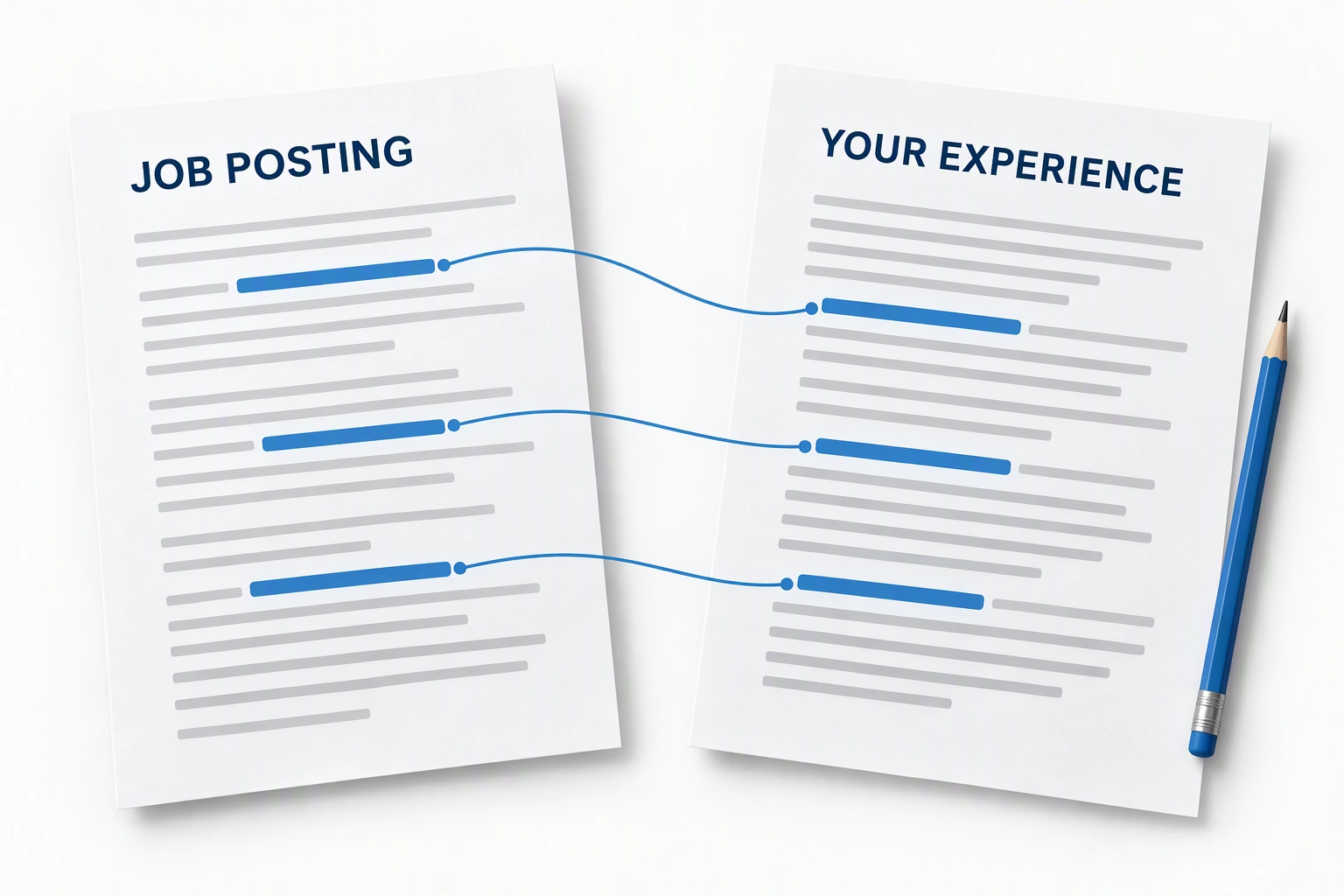
How to Tailor Your Resume to a Job Description: A Worked Example
You helped coordinate three branch rollouts. Your resume says, “Assisted with office tasks.” Somewhere between doing the work and describing it, your strongest qualification disappeared. Start by putting the vacancy beside your resume. Identify the work the employer needs done, find examples you’ve actually delivered, and rewrite the most relevant lines so that connection is…
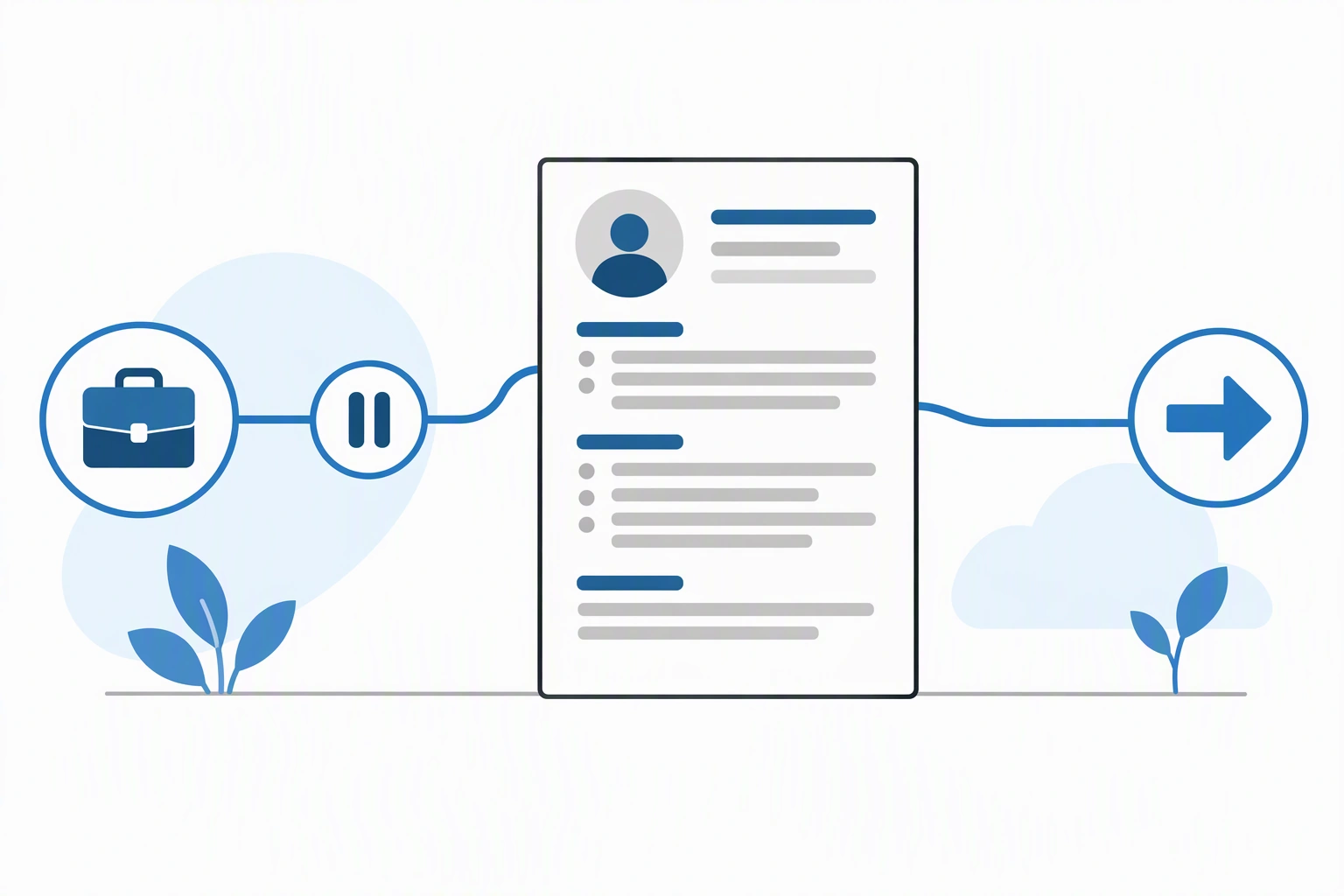
How to Write a Resume After a Career Break
You open your old resume, change your email address, and stop at the last employment date. Suddenly, the years you spent doing the work seem less important than the years you spent away from it. That date needs context. It doesn’t need to become the whole document. Start with the role you want and the…

How to Write a Resume for a Returnshipor Return-to-Work Program
You spend an hour trying to make the gap on your resume less noticeable. Then you open the program’s requirements: applicants must have taken an extended career break. The detail you were hiding is part of what makes you eligible. For these applications, make two things easy to see: that your background meets the program’s…

Resume for an Internal Promotion: Examples and Writing Guide
Your manager knows you’re dependable. Your coworkers come to you when something gets complicated. Then an internal opening appears, and your resume still describes the person the company hired four years ago. That leaves your strongest case unwritten. Keep the familiar resume structure, but select evidence for the responsibilities of the role you want: decisions…

How to List Freelance, Contract,and Gig Work on a Resume
Three clients, two short contracts, and a delivery app. That’s a work history. On the page, though, it can look like six unrelated starts and stops—or disappear into one vague line labeled “Freelancer.” Put relevant work in your Experience section, name the role and working arrangement, and give accurate dates. Group similar projects when separate…
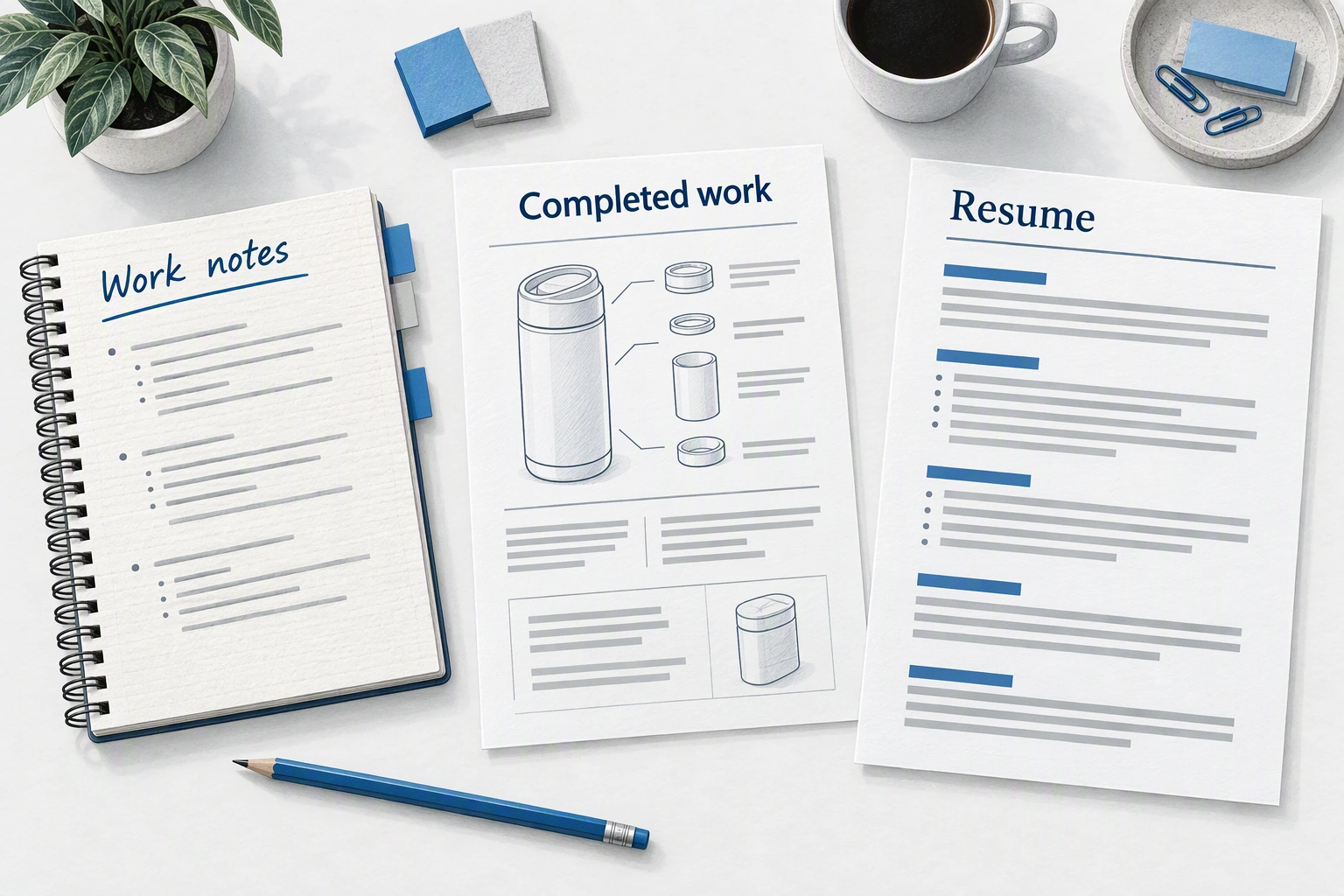
How to Write Resume Achievements When You Don’t Have Numbers
“Add numbers” sounds simple until you open your resume and realize nobody measured the work you’re proudest of. You untangled a confusing process. Fixed an issue before launch. Wrote the instructions people actually used. There was no dashboard for any of it. You can still describe that work convincingly. Start with what you did, what…
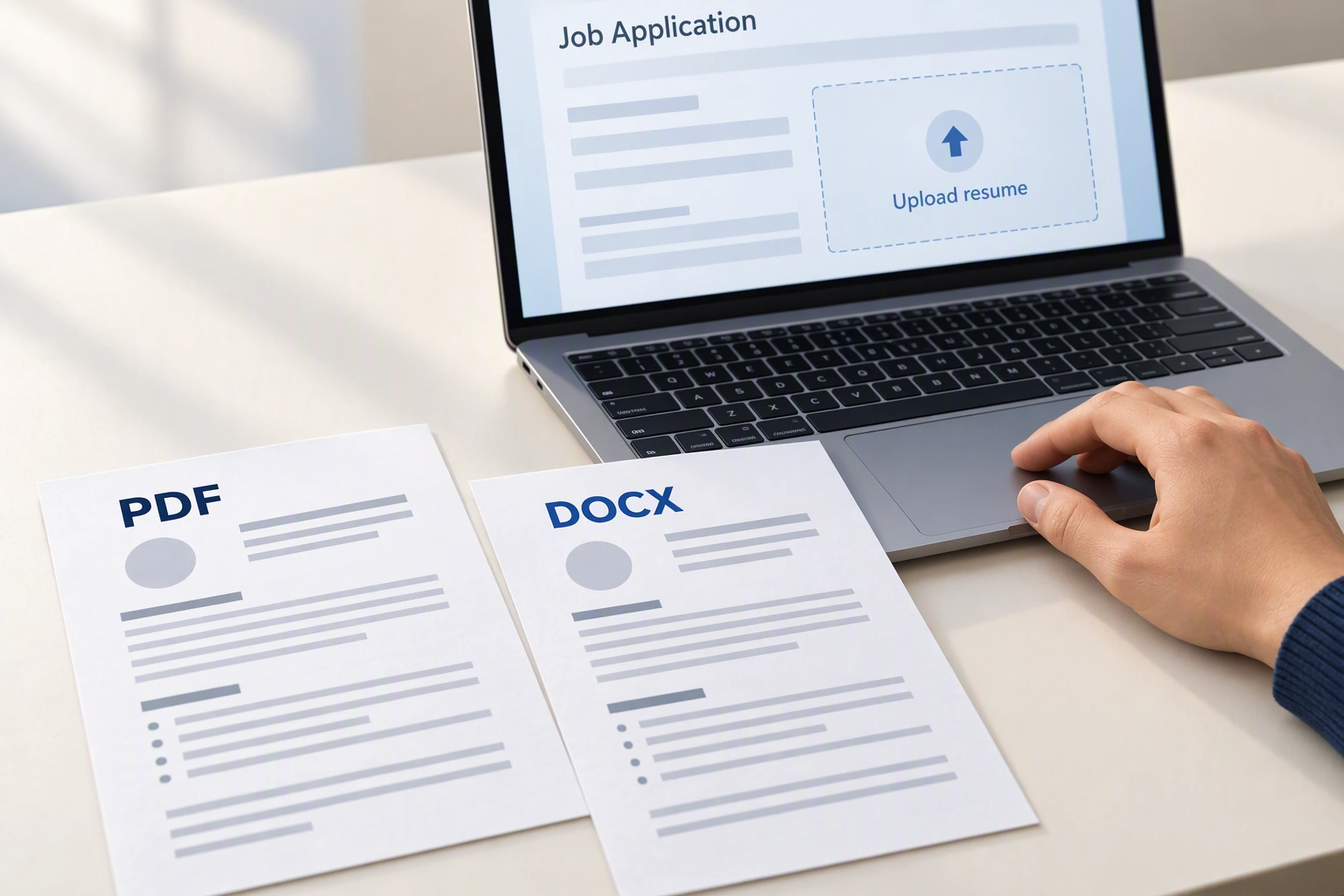
Resume PDF vs. Word: Which File Should You Submit?
You’ve checked every date, tightened your bullets, and finally clicked Apply. Now the upload box accepts both PDF and Word, and two tabs of advice are telling you opposite things. Start with the employer’s instructions. When both formats are accepted and no preference is stated, a checked, text-based PDF is a practical default. It preserves…
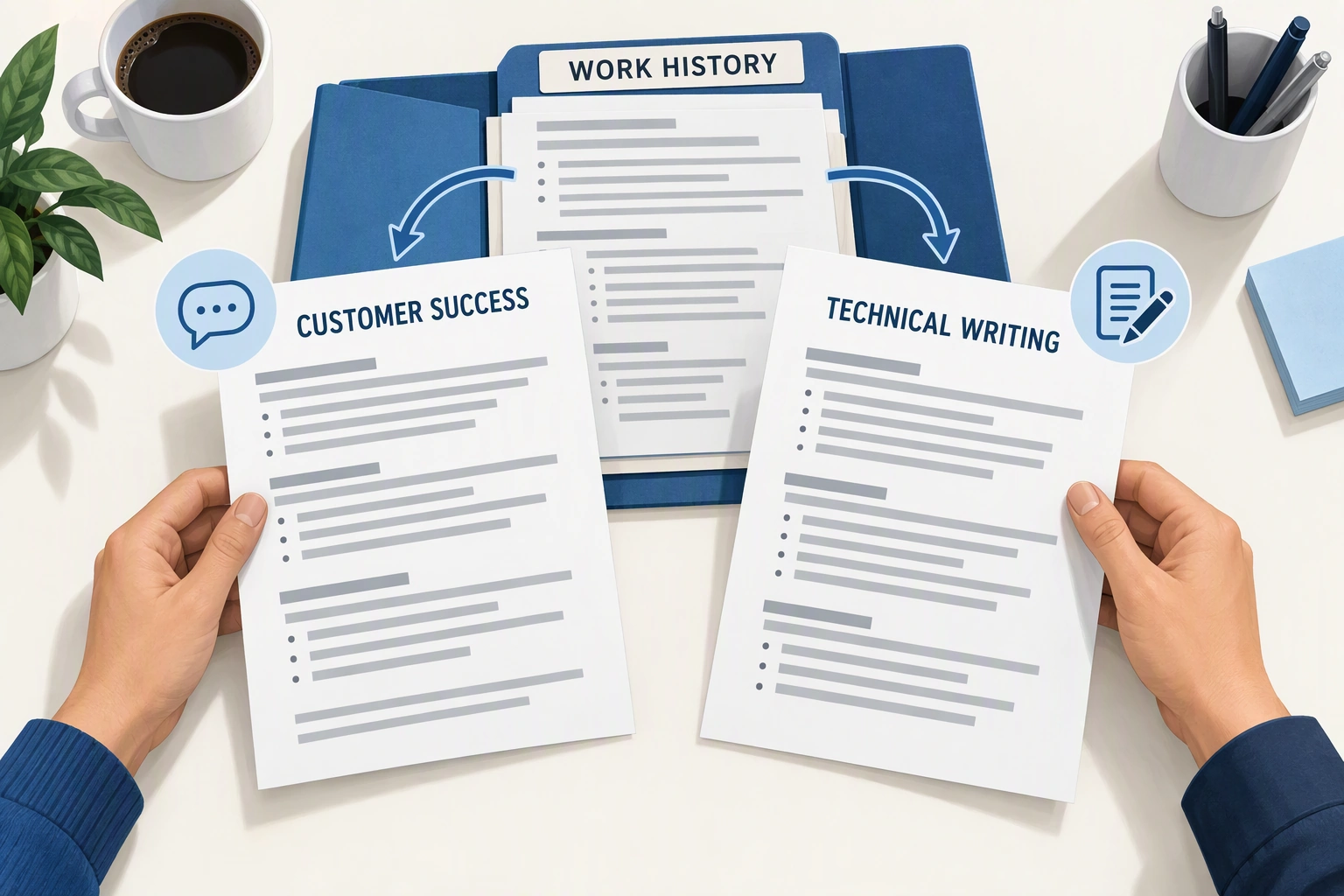
How to Write a Resume for Two Different Career Paths
One job posting wants someone who can guide customers through a new product. Another wants someone who can write instructions people actually understand. You’ve done both. Then you open your resume and try to make one opening paragraph sell two different careers. That’s where the document starts losing its direction. For distinct targets, build one…

How to List a Job You Just Started on Your Resume
You’ve started the job. You haven’t finished onboarding. Now someone wants your resume, and the newest entry feels almost empty. If the role helps explain your experience or current situation, you can include it now. Put it first within the appropriate experience section, using your actual title, employer, and start month and year–Present. Add a…