Author: Jaime Chambron

Objective for Resume for Freshers
A career objective for freshers names the job you want, highlights relevant qualifications or skills, and explains how you could contribute. It can help introduce your direction when you are applying for your first job or an internship. Below, you will find simple resume objective examples, options for different jobs and qualifications, and a practical…
Resume Keywords: Lists by Industry and Examples
Resume keywords are the specific skills, tools, qualifications and job-related terms an employer looks for. Examples include SQL, inventory control, customer support and a required nursing license. The right words depend on the job you want. Start with the job description. Choose terms that match your background, then show where you used them. A keyword…

How Many Jobs Should You List on a Resume?
You have worked five jobs, but only two directly match the position you want. Should you include all five? What if leaving one out creates a gap—or your work history fills the entire page? The right choice depends on what each job adds to your application. This guide shows you which roles to keep, which…
Certifications and Achievements on a Resume
Certifications and achievements provide different information on a resume. A certification is a credential awarded by an organization after you meet its requirements. An achievement is a result, distinction or recognition earned through your work, education or other activities. Quick answer Include certifications that are required or relevant to the job. Include achievements that show…

How Many Pages Should a Resume Be
Quick answer Most resumes should be one or two pages long. Use one page when your strongest qualifications fit comfortably. Use two pages when relevant experience, achievements, projects or certifications need more room. A three-page resume is less common and should have a clear reason behind it. The right length is the shortest length that…

STAR Method for a Resume: Examples and How to Use It
The STAR method helps you turn a job duty or experience into evidence of what you did and what happened because of it. STAR stands for Situation, Task, Action and Result. The method was created for structured interview responses, but it can also help you write stronger resume bullets. The important difference is length: an…

Why Do You Want To Work Here – 30+ Best Answer Examples
Why do you want to work here? During an interview, you may come across this particular question. It may be asked at the beginning of the interview to establish the mood of the discussion. Alternatively, it can be brought up at the end of the interview to ensure that you remain interested and enthusiastic about…

What Research Will Help Prepare You Before You Apply For A Job?
Why Research Matters Before You Hit “Apply” Before you hit “Apply,” pause. The most successful professionals don’t start their job search by blasting out résumés. They begin with job search research. Understanding a company, the role, and the industry before you apply enables you to tailor your résumé and stand out as an informed and…

How to Follow Up After an Interview
You landed and nailed the interview! Now what? Securing a job interview is a big step forward. But what you do after the conversation can be just as important as the interview itself. Many candidates assume their work ends once they’ve shaken hands and left the room and overlook the power of a thoughtful follow-up.…
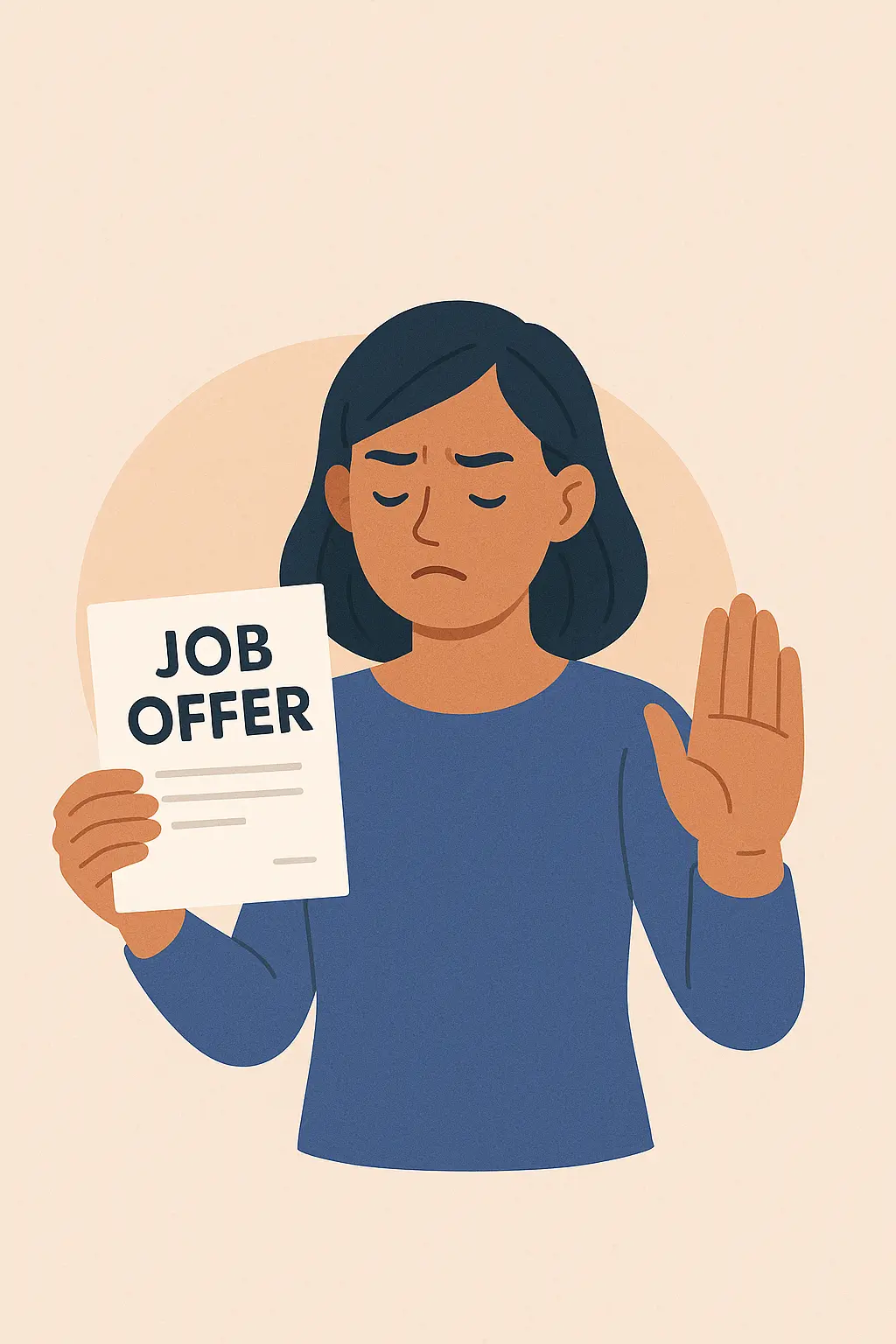
How to Turn Down a Job Offer
They picked you. But you didn’t pick them. Turning down a job offer can feel daunting even when you know it’s the right move. You don’t want to burn any bridges, so how do you professionally decline to keep doors open for the future? Why Turn Down a Job Offer? There are several valid reasons…