


Marketing manager interviews test how you think more than what you know. They ask about plans you made, choices you defended, and times things went wrong.
Read the ten questions with a notebook open. Match each one to a real moment from your work. An honest answer built from real experience beats a fancy one with nothing behind it.
Key Takeaways
- Results first, then the story behind them. Employers believe outcomes. Name the result of each campaign before you explain how you got there.
- Know the customer before you spend a dollar. Talk about the people you wanted to reach, and what you learned about them, before you describe any ad or channel.
- Cut fast when the numbers say stop. Check results early, and move money away from what is not working instead of hoping it turns around.
- Never let a claim outrun its proof. If you cannot back a statement up, change it. Trust takes years to build and seconds to lose.
Proving You Can Drive Results
The first three questions are about outcomes: a win you ran, a miss you owned, and a budget you cut.
Tell Me About a Campaign You Ran From Start to Finish.
What they are really asking here is whether you can own a full campaign, from first plan to final result.
Sell it like this: Name the goal first. Walk through your plan, what you watched each week, and what changed because of it.
“I ran a six-week push for a new online course. The goal: get more people to sign up for a free trial. I picked two channels that had worked for us before: email and short video ads. I wrote the messages and set a daily budget. Each Monday I looked at how many clicked and how many started a trial. The videos were winning, so I moved most of the money there by week three. In the last week I changed the sign-up page headline because people were dropping off at that step. Sign-ups rose past our goal. The habit I kept: look at the numbers every week, and move money to what works instead of hoping the weak channel will recover.”
Tell Me About a Campaign That Missed Its Goal.
What they are really asking here is how you handle failure, and whether you can find the real reason.
Sell it like this: Name the miss plainly, without blame. Show how you found the cause, and what you changed next time.
“I ran a two-month ad drive for a holiday sale that never hit its sales goal. The miss was mine, since I had pushed for the plan. First I checked each step buyers had to take: people saw the ad, but few clicked through to the shop page. That told me the problem was the message, not the spend. I asked five customers what they remembered from the ad, and none could name the offer. The headline was clever, but the deal was buried. I rewrote the ads with the offer in the first line and ran a small test. Clicks rose sharply. My lasting habit: when results are low, I walk the buyer’s path step by step, and I fix the weakest step first instead of spending more.”
How Do You Shift Plans When the Budget Gets Cut?
What they are really asking here is whether you can make hard choices and still protect what matters most.
Sell it like this: Show how you rank channels by results. Name what you cut first, what you kept, and how you told the team.
“My ad budget was cut by a third in the middle of a quarter. I listed every channel we were paying for and wrote down what each one had brought in over the past two months. I cut the two channels with the weakest results and moved what was left into the one that had brought most of our leads. I also raised our free efforts: weekly posts and emails to people already following us. I told the team the new plan in one meeting, so everyone knew what to drop. We ended the quarter just under our lead goal, which felt like a win given the cut. Since then I always keep a short list of which channels die first, so a budget cut never starts with panic.”
Proving You Know the Customer
These three are about the buyer: learning a new market, changing your mind, and handling data right.
How Would You Plan a Launch in a New Market?
What they are really asking here is whether you learn before you spend, or just copy what worked elsewhere.
Sell it like this: Say how you study the new buyers first. Then show a small test launch before the full spend.
“I would start by listening, not launching. I would read buyer reviews in that market, and speak with five to ten buyers about how they buy and what they trust. I would check which channels they actually use each day, because that often differs from my home market. Then I would run a small test in one city with a plain message and a small budget. If the response is good, I grow the spend step by step. If not, I change the message before I scale. I did a version of this for a regional launch, and two weeks of listening saved us from an ad line that buyers there found rude. My rule: no big spend until small tests prove the message lands.”
Tell Me About Research That Changed Your Plan.
What they are really asking here is whether real customer feedback can actually change your mind.
Sell it like this: Show the plan you started with, the research that challenged it, and what you did differently.
“I planned a launch aimed at young buyers, because that was our usual crowd. Before we spent, I ran a short survey with two hundred past buyers. The answers surprised me: most buyers were ten years older than I had guessed, and they cared about delivery speed more than style. I spoke with six of them on short calls, and they said the same thing. I threw out the youthful tone and rewrote every ad around fast delivery and easy returns. The launch beat our sign-up goal. The habit I kept: I never trust my picture of the buyer until I have asked real buyers. A short survey before a big spend is now part of every plan I write.”
How Do You Use Customer Data the Right Way?
What they are really asking here is whether you respect privacy while getting useful insight.
Sell it like this: Show the rules you follow, how you ask for consent, and how you keep details safe.
“I treat customer data as borrowed, not owned. I only collect what a campaign truly needs: an email to send a newsletter, or a city to pick store locations. Every form I build says plainly what we will use the answer for, and people can opt out with one click. I never share full customer lists with outside partners. If a partner needs to run ads for us, they get grouped numbers, never names. I also keep old data on a short clock: we delete records we no longer use each year. Once a teammate wanted to buy a list of emails from a vendor. I said no, because those people had never heard of us. My rule is simple: if a buyer would feel tricked, do not do it.”
Proving You Can Lead and Stay Honest
The last four test leadership and honesty: hearing no, checking claims, briefing partners, and growing a team.
Tell Me About a Time Your Plan Was Rejected.
What they are really asking here is how you respond when leaders say no, without bitterness or folding.
Sell it like this: Show how you listened to the concern, what proof you brought back, and the outcome you accepted.
“I once pitched a plan to run our biggest campaign on social video. The head of sales rejected it. He wanted the money on trade shows, where he had worked for years. I did not argue in the meeting. I asked what worried him, and he said he feared losing face-to-face leads. I went back and built a small test: a modest video budget for one month, side by side with one trade show. I shared the results weekly in plain tables he could read. The video leads cost far less and converted just as well. He agreed to shift half the budget my way the next quarter. The habit I kept: a no is usually a question. I answer it with a small test, not a big argument.”
How Would You Handle a Bold Claim with Weak Proof?
What they are really asking here is whether you will protect the brand’s honesty when a big claim sounds tempting.
Sell it like this: Show how you check the proof, the softer claim you propose instead, and how you stand firm kindly.
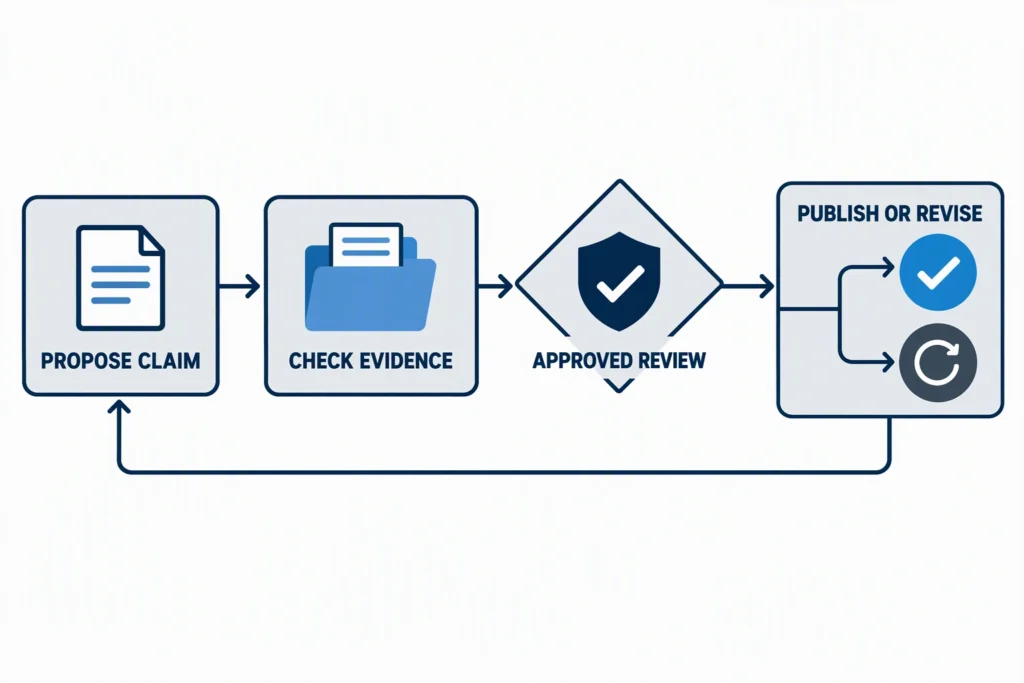
A product team once asked me to run an ad saying we were the fastest in our market. I asked for proof, and all they had was one old test from our own team. That was not enough to print. I told them the honest version: I could run a line saying the product is built for speed, but I would not claim the top spot without independent proof. I offered to run a speed comparison study first, and I would use the claim only if it held. They agreed, and the study later backed a softer line. My rule: every strong word needs proof behind it. A claim that cannot be shown hurts the brand far more than a modest line ever could.
How Would You Run a Campaign with Influencers or Partners?
What they are really asking here is whether you can pick the right voices and brief them well.
Sell it like this: Show how you choose partners for real fit, what goes in the brief, and how you check results.
“I would start with fit, not fame. I pick creators whose audience matches our buyers and whose posts feel like our product would fit in naturally. I send a short brief: the key message, three things they must not say, and a note that they must label the post as paid. I read and approve every post before it goes live, because one wrong line can hurt the brand. During the run I watch which posts bring real clicks and sales, not just likes. Afterward I pay what we agreed, thank the partners, and keep the ones whose posts performed for the next round. My lasting habit: I treat partners like teammates, not megaphones. Clear rules up front mean fewer fixes later.”
Learn more about the role and team with these questions to ask a hiring manager.
How Have You Helped a Marketing Team Do Great Work?
What they are really asking here is how you lead people day to day, not just the titles you have held.
Sell it like this: Name one way you lead, a real moment that shows it, and the change that lasted.
“I lead by clearing the path. I ran a small team of four, and our biggest problem was too many meetings and unclear goals. I set one simple weekly board: what each person owns, the due date, and the one result we are trying to move. I cut our meetings to one short check-in and reviewed work with each person one on one. When a designer and a writer clashed over a deadline, I sat with both, found the cause, and split the task so each owned a clear piece. Within two months we shipped every campaign on time. The habit I kept: people do their best work when they know what they own and why it matters. My job is to keep that clear.”
Keep your application brief and focused with these short cover letter examples for email applications.
Do a 20-Minute Mock Round
Set a timer for twenty minutes. Pick your three hardest questions and answer each out loud. Ask a friend to play the interviewer and jump between the questions. After each answer, ask: did I name a real result, and did I say “I” for the work I did? Trim the weakest answer and say it again. A few honest run-throughs beat silent reading.
Frequently Asked Questions
What if I have never run a campaign with a big budget?
Do not hide it. Show what you did with what you had. Interviewers respect a small-budget win with clear results more than a story you cannot back up.
Which channel should I say I would pick first?
Do not name a favorite channel. Say you would check where the buyers are and what the numbers show, then pick. Evidence beats habit.
Can I reuse one story for several questions?
Yes, if the story truly fits each question. Change the focus: for the results question, lead with the outcome; for the customer question, lead with what you learned. Never read the same answer twice word for word.
How technical should my answers get?
Keep it plain. Say what you did and why, and skip tool names unless they ask. If you name a tool, add one line on what you used it for.
What if I have never led a team?
Leadership is not only a job title. Talk about a time you guided a project, coached a newer colleague, or kept a group on track. If you have no example yet, say how you would lead, and point to how you already work with others.