


An account manager is the person a client calls first: keep the relationship strong, fix problems early, and find fair ways to grow the account.
This guide walks through ten questions you will likely hear. Each one notes what the interviewer wants, plus a full sample answer in plain first-person words you can make your own.
Key Takeaways
- Keep your promises small enough to keep. Clients remember what you said you would do, so promise only what you can deliver.
- The quiet accounts need your time too. Loud clients get attention on their own; the quiet ones hide the biggest risks.
- Say no with a clear reason and a next step. A plain no protects the relationship when it carries a reason and a next step.
- Write the lesson down before the next quarter. Let every loss and fix change how you work, and put the new rule in writing.
How You Start With a Client
The first answers set the tone. Show how you present your work and get a new account moving.
Tell Me About Yourself and How You Manage Accounts
Why an interviewer asks this: they want your past work and your style in one short answer.
Answer like the client’s main contact:
Start with past work, then describe how you run accounts. Keep both short.
“I have worked with business clients for several years now. I began on a support team, where I learned how fast small problems turn into big ones. That pushed me toward account management, where I could stop trouble before it started. I manage accounts with a simple routine. Each client gets a written plan with their goals, the dates that matter, and what I promised to do next. I write short notes after every call so nothing slips. I also send a quick update each month, even when everything is fine. Quiet clients tell me as much as loud ones, so I make time for both. My habit now is simple: I never end a week without reading each plan once. It keeps my work honest.”
Showcase your client relationships and business results with this account manager resume guide.
How Do You Onboard a New Client and Build an Account Plan?
Why an interviewer asks this: they want to know whether you plan or just wing it.
Answer like the client’s main contact:
Show your first-weeks steps. Name what goes into the plan.
“When a new client joins, I slow down before I speed up. First I read everything on file about them so I do not ask questions they already answered. Then I call and listen. I ask what they want this year, what worries them, and how they like to be contacted. I turn all of that into a one-page plan: their goals, key dates, who does what, and when I will review progress with them. I send it to the client and ask them to correct anything wrong. Once they approve it, that page runs the account. I check it every month and update it after any big change. This habit means no client starts with guesswork, and I never promise from memory.”
Prepare your own questions to ask a hiring manager to learn more about the opportunity.
Winning Trust, Setting Order, Finding Growth
These three test the middle of the job: earning trust, ranking time, and seeing the next chance to grow.
Tell Me About a Time You Earned a Difficult Client’s Trust
Why an interviewer asks this: they want to know if you can turn doubt into trust with actions.
Answer like the client’s main contact:
Pick a client who doubted you. Show small things you did, not promises you made.
“I once took over a client who barely replied to my emails. The last manager had promised fast fixes and missed them, so the client trusted no one. I stopped selling and started proving. Each Friday I sent a three-line note: what I finished, what was next, and one date. When the client reported a small bug, I got it fixed the same day and wrote down exactly what happened. I never promised what I could not control. After two months, the client started calling me before problems grew. By the end of the year they asked me to cover a second account too. My habit now is proof before promises. Trust comes from small things done on time, not big words.”
Present your phone support skills and customer service experience with these call center agent resume templates.
How Do You Prioritize Accounts With Competing Needs?
Why an interviewer asks this: they want to see how you choose when every client says “now.”
Answer like the client’s main contact:
Name your order rule. Show how quiet accounts still get protected.
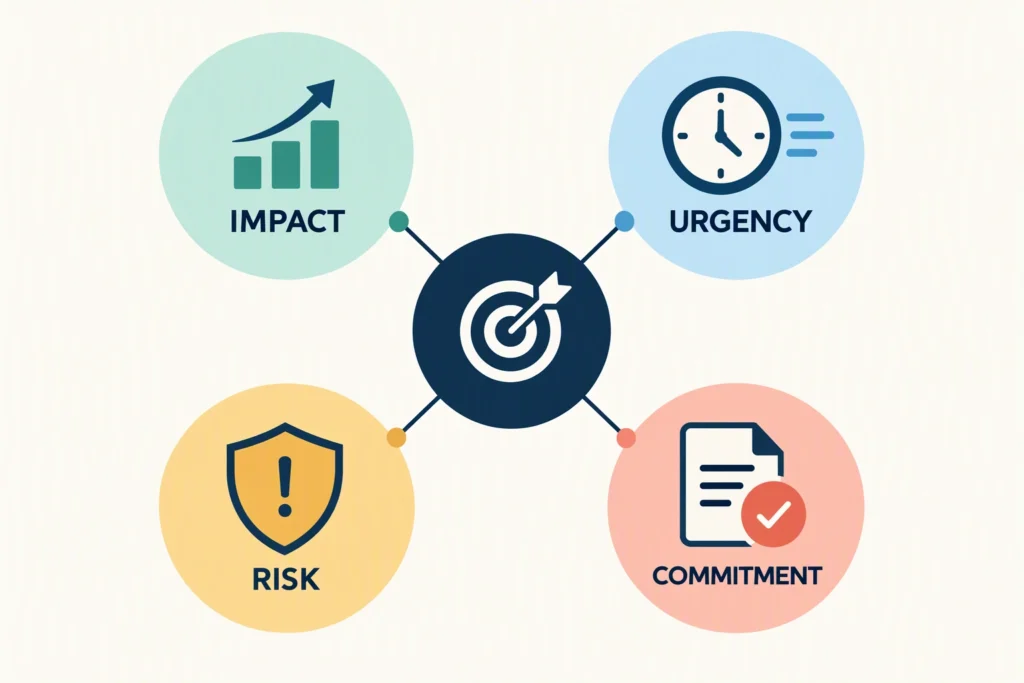
“I rank my day by harm and date. Each morning I write down everything waiting on me. The item that breaks first goes first: a deadline today beats a worry next week. If two items tie, the one with the bigger harm to the client wins. I tell each client honestly where they stand and when I will get back to them, so no one waits in silence. I also protect one hour each week for quiet accounts, because the silent ones are where trouble hides. If everything is truly urgent, I ask my manager to help me reorder, and I tell the clients the new plan. My habit is a fresh list every morning and a re-rank every Friday.”
Organize your financial expertise and professional experience with these accountant resume templates.
How Do You Spot a Renewal or Growth Opportunity?
Why an interviewer asks this: they want to know if you look for chances to grow the account, not just keep it.
Answer like the client’s main contact:
Show how early you start and what signs you watch for.
“I start renewal work three months before the end date. I call the client and ask what changed in their business since my last call. Then I look closely at how they use the service: what they use most, what they stopped using, and what they asked about but never bought. When use of one part grows fast, I ask whether the next level would help them, and I show how it fits their own goals. I only suggest what their own use points to. One client added a second team to their plan after I showed them their own usage. My habit is a short monthly note for each account: what changed, what might renew, and what might grow.”
Explore common testing scenarios with these quality assurance analyst interview questions.
When the Client Is Unhappy or Asks for More
Hard moments decide the relationship. Show you stay calm, fix fast, and hold a clear line.
How Would You Handle an Unhappy Client or a Service Failure?
Why an interviewer asks this: they want to know whether you stay calm and fix things fast.
Answer like the client’s main contact:
Show your first move, the fix, and the follow-up that stops it happening again.
“I call within the hour, even if I do not have the fix yet. First I listen and write down exactly what went wrong and what it cost the client. I say I am sorry for the failure, plainly, without excuses. Then I bring a fix and a date: what I will do, and when it will be done. During the wait I send short updates, even when the update is that work is still in progress. After the fix, I call once more to confirm everything works and ask what they need next. I also write an internal note on what broke so my team can stop it. My habit after any failure is a same-day note to the client and one lesson written down for me.”
Learn how to write resume achievements without numbers by explaining the difference your work made.
What Would You Do If a Client Asked for Something Outside the Agreement?
Why an interviewer asks this: they want to know where your line is when the client asks for more.
Answer like the client’s main contact:
Show you protect the agreement without sounding cold. Offer a clear path, not a vague maybe.
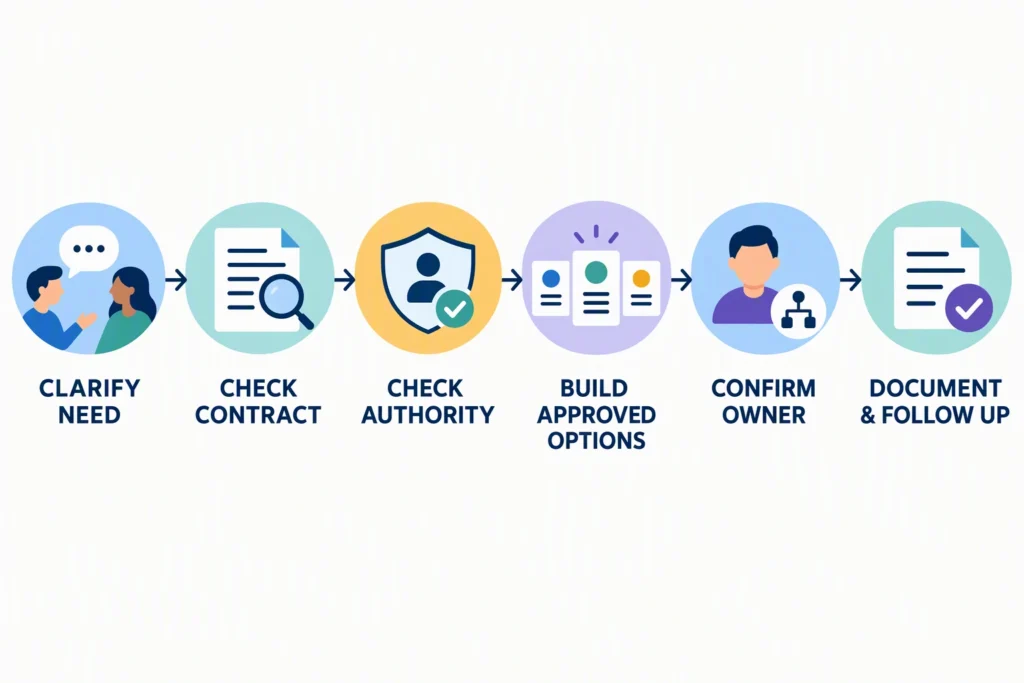
“A client once asked for extra training sessions that were not in the agreement. I did not answer on the spot. I read the agreement first so I knew exactly what had been promised. Then I told the client plainly: this falls outside the agreement, so I cannot add it for free. I explained what it would cost and why, and I offered a smaller option that fit their budget. I put the choice in writing and waited for their yes before starting. They picked the smaller option and were happy. Saying no the right way often makes the client trust you more. My habit is simple: I check the agreement before I answer any extra request, and I never promise extras by voice alone.”
Improve how you present your clinical qualifications with this dental assistant resume guide.
Tracking Health, Fixing Promises, Owning Losses
The last three look at discipline and honesty: the numbers you watch, the teamwork you lead, the losses you own.
Which Numbers and CRM Habits Help You Track Account Health?
Why an interviewer asks this: they want to know if you watch the numbers and write things down.
Answer like the client’s main contact:
Name numbers you actually check. Show the daily CRM habit behind them.
“I watch four numbers for each account. The renewal date tells me when to start the review. The use of the service tells me if the client is drifting away. My reply time tells me if I am the slow one. The count of open promises tells me what I still owe. In the CRM I write notes the same day as every call, and I tag any account that shows risk so I see it on Monday. Each morning I spend fifteen minutes reading those notes before I open email. That one habit has saved me more than once: a short note from last month often holds the clue to this month’s problem. Numbers only help if the notes behind them are fresh.”
Make your contribution clearer with these resume synonyms for “helped” and examples of how to use them.
Tell Me About a Time Teams Disagreed Over a Client Promise
Why an interviewer asks this: they want to see how you act when two teams point at each other.
Answer like the client’s main contact:
Show you stayed on the client’s side while fair to both teams. End with one clear promise.
“The sales team had promised a client a same-day launch, but the delivery team needed two weeks. The client called me angry, and each team blamed the other. I sat both teams down in one call and asked for facts only: what was promised, and what was truly possible. I got both teams to agree on a real date with room to spare. I took that date to the client myself, explained the delay honestly, and gave them a written timeline with one name to call, mine. The client accepted it and stayed. The meeting took twenty minutes, and the client never heard about the fight. Since then I run one rule: no promise goes to a client until the team that must keep it writes it down first.”
Tell Me About an Account You Lost or a Goal You Missed
Why an interviewer asks this: they want to know if you can be honest about a loss.
Answer like the client’s main contact:
Own the loss fully. Name what you did wrong, what you changed, and how it shows today.
“I lost an account in my second year, and it was my fault. After the renewal was signed, I stopped checking in. The client went quiet for months, and I treated the silence as a good sign. When they did not renew, they told me they had felt forgotten. That stung, but they were right. I wrote down exactly where I had gone wrong: I had no system for quiet accounts. Now every account gets a short note from me each month, signed or not, quiet or loud. I also flag any account I have not spoken to in three weeks. That loss taught me the rule I still follow: silence from a client is a warning, never a comfort.”
Let a Skeptic Ask the Questions
Ask a friend to read each question aloud. After your answer, they ask one hard follow-up, like “prove it” or “what went wrong.” Answer out loud, under two minutes. If a line sounds stiff, rewrite it in your words and try again.
What Else People Ask Before the Interview
I have never owned a portfolio of accounts. What do I say?
Talk about the clients you did serve, even in support or sales roles. Describe the same habits: notes after calls, written plans, honest follow-ups. Then describe your first-month plan, so they hear a plan, not an apology.
How do I talk about real clients without naming them?
Describe the situation without names, places, or private details. “A retail client” or “one of my larger accounts” is enough. Say what you did and what changed. Never share anything the client told you in confidence; interviewers respect that line.
What if a client asks for a discount I cannot give?
Say the limit plainly instead of stalling. Explain the value behind the price in simple words, then offer something you can give, like a smaller package or a faster start date. A clear no with an option keeps the talk moving.
My numbers dipped last quarter. How do I explain it?
Own it before they ask. Name the cause in one sentence, describe the fix you made, and show what changed since. Interviewers forgive a bad quarter when they see a real lesson and a new habit.