

Are you struggling to start your job search because every job posting seems to ask for prior experience? You’re not alone. In today’s job market, many job applicants worry about how to get a job with no experience, especially when aiming for entry-level positions or their first job. The good news is that many employers still hire motivated freshers who show strong communication skills, soft skills, and transferable skills.
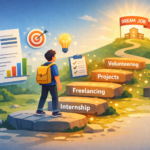
Whether you’re a high school student, a recent graduate with a college degree, or someone exploring a new career path, you can still gain experience, build relevant skills, and unlock real job opportunities through entry-level jobs, volunteer work, personal projects, part-time jobs, and strategic professional development.
“You don’t have to be great to start, but you have to start to be great.”
— Zig Ziglar, motivational speaker & author
Starting Your Job Search the Smart Way
Starting your job search with no experience can feel overwhelming, but the right strategy can make the process much easier. Instead of applying randomly, it’s important to understand where to look, how to identify suitable entry-level positions, and how to present your relevant skills confidently. This section will guide you through smarter, more focused job search methods that help you stand out from other job applicants and increase your chances of finding real job opportunities, even if you’re just starting your career path.
Finding Suitable Entry-Level Jobs on Job Boards
Start by searching for entry-level jobs on reliable job boards and job platforms like Indeed, LinkedIn, and specialized sites such as Handshake for students. Use filters like “entry level,” “no experience,” “remote job,” and “part-time jobs” to narrow down job opportunities.
For example, if you’re interested in digital marketing, look for job listings that mention basic technical skills, social media management, or project management. Job boards often display related roles, making it easier to compare job descriptions and find positions that fit your current skill set.
Ready to Land Your Next Job?
Don’t let your resume get lost in the stack. Build a professional, ATS-friendly resume that highlights your leadership, achievements, and industry expertise.
Best Platforms for Students, Freshers & People With No Experience
Starting your career without experience can feel overwhelming, but many platforms are specifically designed to help beginners find internships, entry-level jobs, and skill-building opportunities. Here’s a refined and trustworthy list of platforms you can confidently rely on:
1. Handshake
Best for: College students and recent graduates
Handshake partners with thousands of U.S. universities and employers who are specifically looking for students with little or no experience. It’s one of the most popular platforms for campus recruiting.
2. WayUp
Best for: Students, fresh graduates, and diversity hiring
WayUp specializes in internships, part-time jobs, and entry-level roles. Many employers on WayUp actively seek candidates with no formal work experience.
3. Indeed (Entry-Level Filters)
Best for: Anyone searching for “no experience,” “entry level,” or “training provided” roles
Indeed is massive, but using filters like “Entry Level,” “No Experience Required,” “Training Provided,” or “Internship” makes it great for beginners.
4. LinkedIn Jobs (Entry-Level)
Best for: Students building a network + finding entry-level jobs
LinkedIn’s job filters help users find internships, apprenticeships, and beginner-friendly roles. Many employers also hire directly from LinkedIn profiles.
5. Snagajob
Best for: Hourly jobs, part-time roles, and first-time workers
Perfect for people with zero experience. Snagajob features retail, restaurant, cashier, customer service, and hospitality jobs that often train new hires.
6. CoolWorks
Best for: Students looking for seasonal or adventure-based jobs
CoolWorks lists beginner-friendly roles at national parks, resorts, summer camps, ranches, and outdoor lodges—ideal for those wanting a unique first job.
7. Jopwell (for early-career talent)
Best for: students and new graduates seeking internships & early-career roles
Jopwell partners with major U.S. companies offering internship and entry-level positions for students wanting to begin their career path.
8. Chegg Internships (formerly Internships.com)
Best for: Students searching for internships or short-term roles
Thousands of U.S. internships in marketing, HR, IT, finance, engineering, etc., many open to beginners.
9. SimplyHired
Best for: People seeking “no experience needed” roles
SimplyHired allows filtering for no experience, training, or entry-level, making it beginner-friendly.
10. Google Careers (Student Programs)
Best for: Students wanting apprenticeships, internships, and certificate-based jobs
Google offers many early-career roles that require skills, not experience.
“The only way to learn a new skill is by doing it.”
— Roy T. Bennett, author of The Light in the Heart
Applying Strategically Instead of Applying Everywhere
Instead of sending the same resume to every job posting, apply only to roles that match your relevant skills, soft skills, and career path goals. Many employers prefer fewer but more thoughtful applications. For instance, if a company wants someone with time management and problem-solving abilities, highlight a hands-on project or volunteer work where you managed tasks or solved challenges. Strategic applications help hiring managers see why you’re the right fit for that particular job, even without formal experience.
Using Keywords Like “Entry Level” and “New Hires” for Better Search Results
Proper keyword use helps you find more accurate job opportunities. Try searching terms like “entry level,” “new hires,” “first job,” “junior roles,” or “no prior experience required.” For example, someone exploring a new career path in computer science can search “entry level data analysis” or “junior IT support.” These keyword combinations surface job listings that match your current level and highlight openings where companies welcome applicants without professional experience.
Ready to Land Your Next Job?
Don’t let your resume get lost in the stack. Build a professional, ATS-friendly resume that highlights your leadership, achievements, and industry expertise.
Identify the Right Entry-Level Positions for Your Strengths
Focus on roles that align with your abilities, even if they aren’t tied to a college degree or formal experience. If you’re good at communication skills, consider a sales position, customer service role, or remote roles in client support. If you enjoy technology, explore entry-level positions in Google Workspace support, digital marketing, or basic data analysis. A high school student with strong organization skills might consider part time jobs like office assistant or retail. Matching your strengths to your job search helps you enter the working world with more confidence.
Highlight Transferable Skills Even If You Have No Work Experience
Transferable skills help job applicants stand out. These include problem solving, time management, teamwork, and communication skills—abilities that apply across many entry level positions. For example, if you completed relevant coursework in project management or computer science, mention how you organized group assignments or built personal projects. If you handled responsibilities at home or school, these life experiences show potential employers that you can manage tasks reliably. Use bullet points in your resume to list these clearly.
Gain Small but Relevant Experience Through Quick, Low-Effort Methods
You don’t need a full time job to gain experience. You can volunteer a few hours a week, complete hands on projects, or take a professional certificate course at your own pace. For example, someone interested in digital marketing can manage a friend’s Instagram page for free time practice, while an aspiring data analyst can take free online courses and build simple personal projects. Even short volunteer work adds valuable experience and makes you more appealing to potential employers.
Tailor Your Resume and Cover Letter to Match the Job Description
Every job posting highlights specific skills. Adjust your resume and cover letter so they reflect the relevant experience and skill sets the job requires. For example, if a company wants someone skilled in social media management, add any personal projects, extracurricular activities, or volunteer work that involved creating posts or handling an online page. Mention relevant coursework, technical skills, or professional development efforts to show you’re prepared for the interview process. A tailored application proves you understand what the future employer needs.
Show Employers Your Willingness to Learn and Grow
Hiring managers value candidates who show motivation, adaptability, and a strong interest in professional development. In your cover letter, mention how you’re actively building new skills—whether through part-time jobs, a professional certificate, or personal projects. For instance, “I’m currently learning Google Workspace tools and improving my problem solving skills through hands on projects” shows initiative. Employers often see willingness to learn as just as valuable as formal experience.
Use Networking and Referrals to Increase Your Chances
Your personal network can help you access hidden job opportunities. Reach out to friends, teachers, former classmates, and potential clients through social media or community groups. For example, if someone you know works in sales or digital marketing, ask if their company has entry-level openings or remote job options for new hires. Referrals often move your resume to the top of the interview process, especially when you don’t have formal experience.
Widely used Platforms in the U.S.
| Platform | Best For | Why It’s Useful |
|---|---|---|
| Indeed | Entry-level jobs, internships | Huge job database with filters for no-experience roles and student-friendly jobs. |
| Internships, networking | Great for building a student profile, connecting with recruiters, and finding beginner roles. | |
| Handshake | College students & recent grads | Partnered with U.S. universities; offers exclusive internships and entry-level jobs. |
| Glassdoor | Entry-level job insights | Shows company reviews, salaries, and helps beginners understand job expectations. |
| WayUp | Students, freshers | Specializes in jobs and internships for people with little or no experience. |
| Internships.com | Internships only | A large U.S. directory dedicated entirely to internship opportunities. |
| Snagajob | Part-time & hourly jobs | Great for beginners looking for flexible, no-experience-needed work. |
| Upwork (for freelancers) | Beginner freelance gigs | Good for freshers learning skills and earning through small freelance projects. |
Writing a Resume and Cover Letter With Zero Experience
Getting your resume and cover letter right when you have no formal work history is about two things: relevance and confidence. Relevance means matching what you already did (coursework, volunteer work, personal projects, soft skills) to the particular job description. Confidence means presenting those activities as measurable, job-related achievements that hiring managers can easily understand. Below are clear explanations followed by multiple, detailed examples you can copy or adapt for entry-level jobs, first job searches, or career changes.
What to Include When You Have No Formal Work History
1. School or Personal Projects
If you’ve never had a job, your projects are your proof of ability. These can be class assignments, group projects, simple websites you built, a small research task, or anything you completed on your own. The goal is to show that you can start something, finish it, and produce a result.
Examples you can realistically include:
• Designed a basic portfolio website using free templates and customized it to showcase my work.
• Created a class presentation on renewable energy, researched information from three sources, and prepared a 10-slide deck.
• Recorded and edited a 2-minute video for a friend’s social media page using a free editing app.
2. Volunteer Work
Volunteer experience counts as real work because you’re performing tasks, interacting with people, and taking responsibility. Even short-term volunteering teaches teamwork, dependability, and communication.
Examples you can include:
• Helped at a neighborhood community event by greeting visitors and organizing activity tables.
• Assisted a local NGO during a donation drive by sorting clothes and packing boxes.
• Volunteered at a school event to manage registration and guide participants.
3. Coursework With Practical Tasks
Instead of listing course names, highlight the assignments or tasks you completed inside those courses. This shows employers what you can actually do, not just what you studied.
Examples you can include:
• In my English course, completed weekly writing assignments and created a final essay based on independent research.
• During my computer basics class, practiced Excel formatting, simple formulas, and data entry exercises.
• Completed a group project in my business studies course where we created a simple budget and explained our choices to the class.
Ready to Land Your Next Job?
Don’t let your resume get lost in the stack. Build a professional, ATS-friendly resume that highlights your leadership, achievements, and industry expertise.
4. Certifications or Short Online Courses
Basic certificates, even free ones — show that you’re actively building skills. They prove self-motivation, which employers value highly in first-time applicants.
Examples you can include:
• Completed a beginner-level Canva design course and learned to create simple posters and social media graphics.
• Finished an introductory Excel course on YouTube and practiced data entry and formatting.
• Completed a short communication skills course on Coursera focusing on email writing and professionalism.
5. Extracurricular Activities or Club Participation
Clubs, college societies, sports groups, or any community involvement show responsibility, teamwork, and time management — all useful for entry-level roles.
Examples you can include:
• Participated in the college cultural club and helped plan small events.
• Was an active member of the debate club and took part in two intra-college competitions.
• Helped coordinate practice sessions for a sports team as a volunteer member.
6. Everyday Skills With Simple Proof
Skills are more convincing when you briefly mention where you used them. This doesn’t need to be complicated — just a quick, truthful reference.
Examples you can include:
• Communication: Regularly presented ideas during class group work and discussions.
• Organization: Planned weekly study schedules and maintained notes for all subjects.
• Technical: Comfortable using Google Docs, Sheets, and email for assignments.
Resume Examples for Students and Freshers With No Experience
Starting your career without any formal work history can feel overwhelming, but the good news is that employers often hire students, freshers, and first-time job seekers based on skills, potential, and how well you present your resume—not just experience. This section will guide readers through real-world examples of resumes tailored to common entry-level roles.
Below, you’ll find practical resume samples for four of the most common entry-level roles in the US: Barista, Call Center Representative, Receptionist/Front Desk Associate, and Cashier. These roles are ideal for students, freshers, and anyone starting their career without prior work experience.
These examples are designed to help you understand what to include, how to structure your resume, and how to highlight your strengths even with zero formal work history.
Ready to Land Your Next Job?
Don’t let your resume get lost in the stack. Build a professional, ATS-friendly resume that highlights your leadership, achievements, and industry expertise.
Cashier Resume Template for Students and Entry-Level Applicants (Free Download)
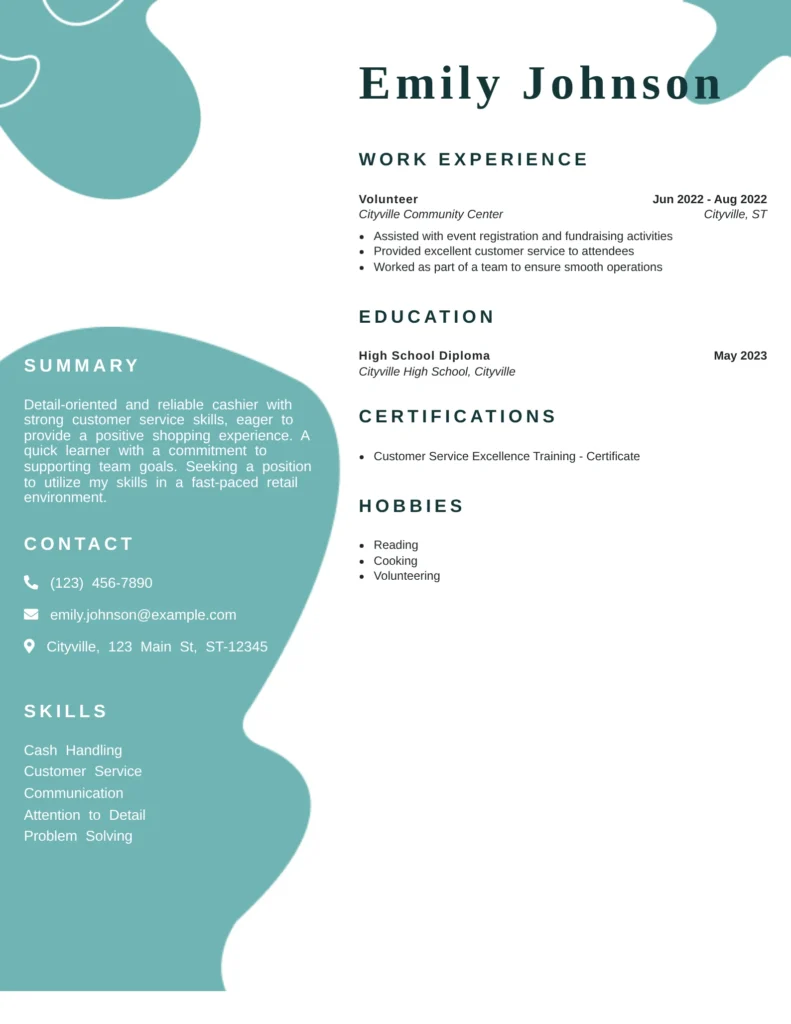
Download Cashier Resume Templates
Choose your preferred format and start customizing your Cashier Resume instantly.
Receptionist & Front Desk Associate Resume Template for Freshers (Free Download)
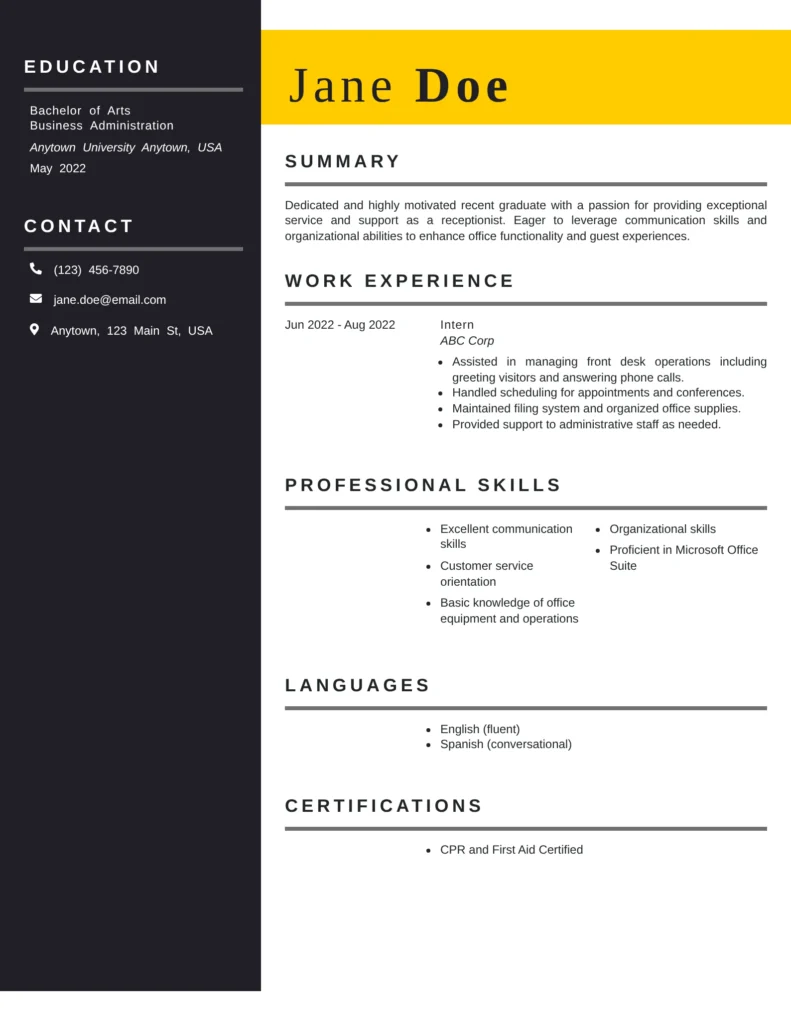
Download Receptionist Resume Templates
Download and edit the Receptionist Resume in your preferred document editor.
Call Center Representative Resume Template for Beginners (Free Download)
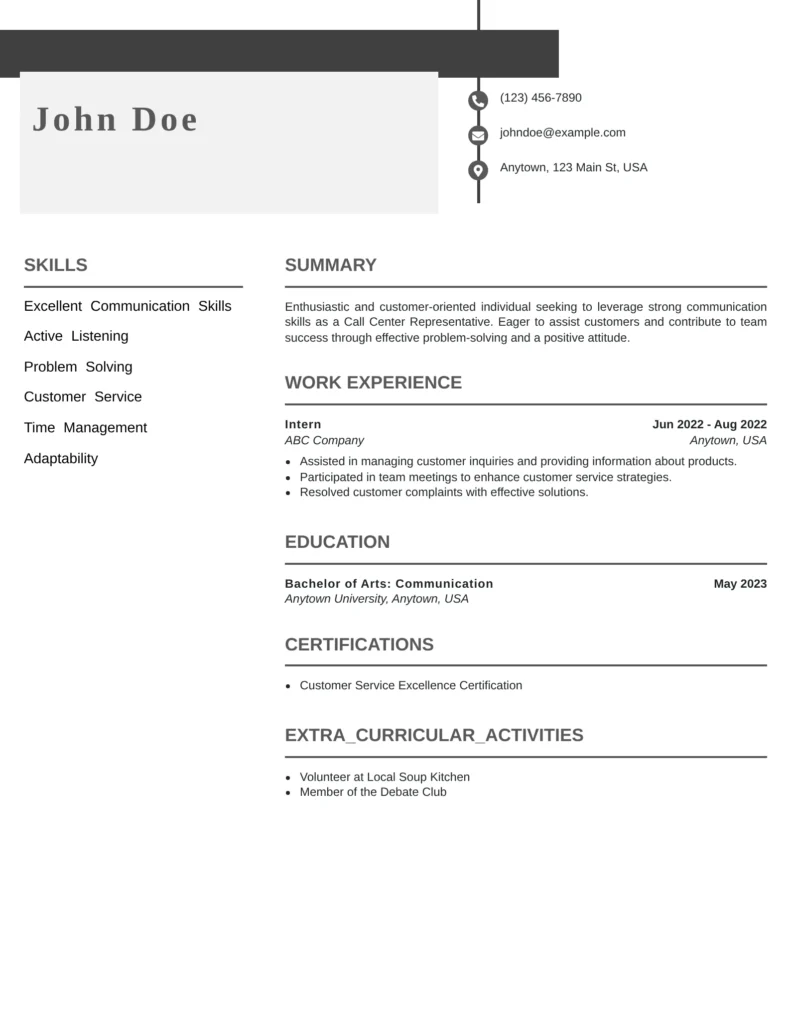
Download Call Center Representative Resume Templates
Get the editable Call Center Representative Resume in PDF or Word format.
Barista Resume Template for Students and Freshers (Free Download)
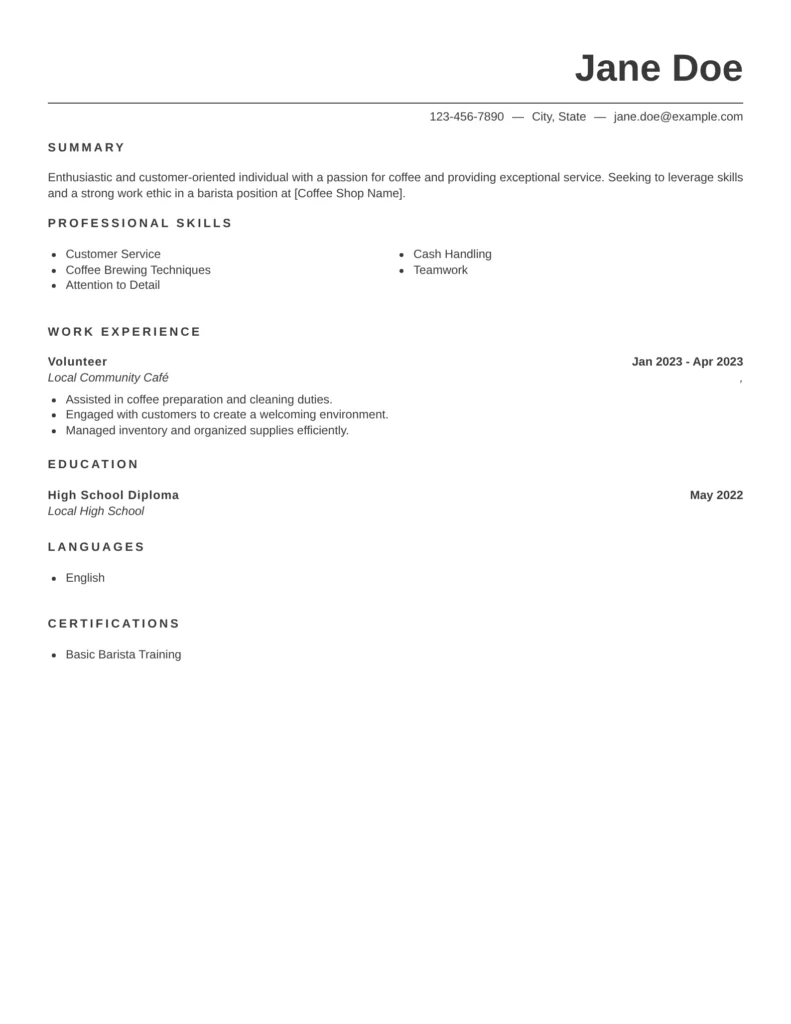
Download Barista Resume Templates
Download the Barista Resume Template in your preferred format and edit it using Google Docs, MS Word, or any document editor.
Writing a Cover Letter That Shows Motivation and Potential
A cover letter is your chance to show hiring managers that you are motivated, willing to learn, and capable—even if you have no formal work history. Below is a simple structure anyone can follow.
1. The Header (Your Address Section)
What to Include:
This section sits at the top of your cover letter and helps employers identify you. It should include:
• Your full name
• City, State (no need for full address)
• Email
• Phone number
• Date
• Employer’s name
• Company name
• Company address (optional but professional)
Example of a Proper Header:
Emma Carter
Austin, TX
emmacarter@example.com
(512) 555-1934
February 5, 2025
Hiring Manager
BrightPath Marketing
Houston, TX
2. Paragraph 1 – The Introduction
What This Paragraph Should Include:
The first paragraph should:
• Mention the job you’re applying for
• Show enthusiasm
• Explain that you may not have formal experience but have relevant skills, motivation, or training
• Provide a quick reason why you’re interested
This paragraph sets the tone, so it should feel confident and friendly, not apologetic.
Example Paragraph 1:
I’m excited to apply for the Marketing Assistant (Entry Level) position at BrightPath Marketing. While I am new to the professional working world, I bring strong communication skills, a willingness to learn, and hands-on experience from school and personal projects. I’m eager to contribute fresh ideas and grow with a team that values creativity and learning.
3. Paragraph 2 – Show Your Skills and Potential
What This Paragraph Should Include:
This is the most important paragraph. Here, you should:
• Highlight your transferable skills
• Mention any small projects, volunteer work, coursework, or certifications
• Describe how your abilities match the job
• Give short, realistic examples
You don’t need job experience — just proof that you can learn and take initiative.
Example Paragraph 2:
In school and through personal projects, I’ve developed skills that align well with this role. I recently created a small social media calendar for a community event, wrote captions, and designed simple graphics using Canva. In my communication class, I completed weekly writing assignments that strengthened my ability to present ideas clearly. I am comfortable using Google Workspace and enjoy planning tasks, which helps me stay organized and meet deadlines.
4. Paragraph 3 – Why You Would Be a Good Fit / Closing Paragraph
What This Paragraph Should Include:
The final paragraph should:
• Reassure the employer that you’re eager and reliable
• Express interest in learning and growing
• Thank them for reviewing your application
• Mention you look forward to the next step
Keep it short but strong.
Example Paragraph 3:
I would be grateful for the opportunity to bring my enthusiasm and dedication to your team. Thank you for reviewing my application. I look forward to the chance to discuss how my motivation and willingness to learn can support BrightPath Marketing.
Ready to Land Your Next Job?
Don’t let your resume get lost in the stack. Build a professional, ATS-friendly resume that highlights your leadership, achievements, and industry expertise.
Final Complete Cover Letter Example
(Combining all sections into one polished sample)
Emma Carter
Austin, TX
emmacarter@example.com
(512) 555-1934
February 5, 2025
Hiring Manager
BrightPath Marketing
Houston, TX
Dear Hiring Manager,
I’m excited to apply for the Marketing Assistant (Entry Level) position at BrightPath Marketing. While I am new to the professional working world, I bring strong communication skills, a willingness to learn, and hands-on experience from school and personal projects. I’m eager to contribute fresh ideas and grow with a team that values creativity and learning.
In school and through personal projects, I’ve developed skills that align well with this role. I recently created a small social media calendar for a community event, wrote captions, and designed simple graphics using Canva. In my communication class, I completed weekly writing assignments that strengthened my ability to present ideas clearly. I’m comfortable using Google Workspace and enjoy planning tasks, which helps me stay organized and meet deadlines.
I would be grateful for the opportunity to bring my enthusiasm and dedication to your team. Thank you for reviewing my application. I look forward to the chance to discuss how my motivation and willingness to learn can support BrightPath Marketing.
Sincerely,
Emma Carter
Preparing for Your First Interview
Preparing for your first interview can feel intimidating, but the right mindset can make a huge difference. Even if you have no formal job experience, you can still make a strong impression by understanding what employers want to hear, communicating your strengths clearly, and showing that you’re motivated to learn. The goal isn’t to pretend you have experience — it’s to show hiring managers that you’re reliable, thoughtful, and ready to grow.
How to Answer Questions When You Have No Experience
When you don’t have work experience, employers look for your potential, not your past. You can still answer interview questions confidently by using examples from school, volunteer work, personal projects, or life experiences.
Below are 10 realistic answer examples you can use.
1. “Tell me about yourself.”
Example:
“I recently finished high school and have been developing strong communication and organization skills through school events and small personal projects. I’m excited to start my first job and learn from a professional environment.”
2. “Why should we hire you?”
Example:
“You should hire me because I’m dependable, eager to learn, and I work well by following instructions. I may not have job experience yet, but I’m committed to growing and contributing to your team.”
3. “What are your strengths?”
Example:
“One of my strengths is staying organized. For example, I managed all deadlines for a group project last semester and kept everyone on track using a shared calendar.”
4. “What is a weakness you’re working on?”
Example:
“I sometimes take longer to complete tasks because I want them to be perfect. I’m learning to balance quality with efficiency by breaking tasks into smaller steps.”
5. “What do you know about our company?”
Example:
“I learned that your company values customer service and teamwork. I noticed on your website that many employees started in entry-level roles, which motivates me because I want to grow with a company long-term.”
6. “Tell me about a time you solved a problem.”
Example:
“In a school group assignment, two classmates disagreed about the direction of the project. I helped them divide the tasks so each could focus on their strengths. We ended up finishing early.”
7. “How do you handle pressure?”
Example:
“During final exams, I made a study schedule and prioritized tasks by deadline. Planning ahead helps me stay calm when things get busy.”
8. “Do you have any experience in this field?”
Example:
“I don’t have formal experience yet, but I’ve been learning through small personal tasks, like organizing a family event and handling simple responsibilities that taught me time management and communication.”
9. “How do you work in a team?”
Example:
“I work well in teams. In my last volunteer activity, I helped coordinate materials for a school event and communicated updates to the group to keep everything organized.”
10. “Do you have any questions for us?”
Example:
“Yes, I’d love to know what the first few weeks look like for someone new to this role, and what skills you believe make someone successful here.”
Ready to Land Your Next Job?
Don’t let your resume get lost in the stack. Build a professional, ATS-friendly resume that highlights your leadership, achievements, and industry expertise.
Showing Confidence, Communication Skills, and Eagerness to Learn
Even without experience, your interview presence can be strong. Employers look for people who are positive, prepared, and willing to grow. Below are ways to show confidence and great communication — plus 10 realistic examples you can actually say in an interview.
1. Greet the interviewer professionally
Example:
“Hi, it’s nice to meet you. Thank you for having me today.”
2. Maintain a calm, steady tone
Example:
“I’m looking forward to discussing how I can contribute to your team.”
3. Show eagerness to learn
Example:
“I’m excited to learn new tasks and take on responsibilities I haven’t handled before.”
4. Use simple but confident body language
Example:
Sitting straight, nodding as the interviewer talks, keeping hands relaxed.
5. Communicate clearly even if your answers are short
Example:
“I don’t have experience with that yet, but I’m very willing to learn it quickly.”
6. Share small, real-life examples
Example:
“When organizing my school club’s meeting schedules, I learned how to manage time and communicate clearly with others.”
7. Admit what you don’t know in a positive way
Example:
“I haven’t used that software before, but I’m familiar with similar tools and can learn fast.”
8. Ask thoughtful questions
Example:
“What does training look like for new hires here?”
9. Show appreciation
Example:
“Thank you for explaining that. It really helps me understand the role better.”
10. End the interview confidently
Example:
“Thank you for the opportunity. I’m very excited about the possibility of joining your team.”
Ready to Land Your Next Job?
Don’t let your resume get lost in the stack. Build a professional, ATS-friendly resume that highlights your leadership, achievements, and industry expertise.
Final Tips for Getting a Job With No Experience
Even if you’re starting from scratch, you can still land a great first job by staying consistent, avoiding common mistakes, and learning from every step of your job search. Getting hired without experience is absolutely possible if you play smart, stay prepared, and keep improving your approach.
Avoiding First-Time Job Seeker Mistakes
When you’re applying for your very first job, it’s easy to make small mistakes that can cost you opportunities. The goal is to present yourself as professional, reliable, and genuinely eager to work — even if you’re new to the workforce.
What to Keep in Mind:
Employers don’t expect perfection, but they do expect effort. Avoiding basic errors makes you stand out from the crowd.
Do’s
Do tailor your resume for every job.
Sending the same resume everywhere doesn’t work. Adjust your skills and summary based on the job you’re applying for.
Do research the company beforehand.
Even 5 minutes of research helps you answer questions more confidently and show genuine interest.
Do follow instructions carefully.
If the job post asks for a PDF resume or a specific subject line, follow it — companies test your attention to detail.
Do proofread everything.
Poor grammar, spelling mistakes, or incorrect dates can be major red flags for employers.
Do apply even if you don’t meet 100% of the requirements.
Job descriptions often list ideal qualifications, not strict requirements.
Don’ts
Don’t lie about experience.
Hiring managers spot inconsistencies instantly. Be honest and highlight your strengths instead.
Don’t send incomplete or sloppy applications.
Missing contact info, empty sections, or badly formatted resumes reduce your chances drastically.
Don’t sound unsure or negative in your application.
Phrases like “I don’t have experience, but…” lower your confidence. Start with your strengths instead.
Don’t ghost employers.
If they message you or schedule an interview, respond politely — consistency builds trust.
Don’t rely on just one job portal.
Apply through multiple platforms, company websites, LinkedIn, or by visiting local offices.
Staying Consistent and Improving Your Job Search Approach
Finding your first job takes patience. You won’t get hired by applying once or twice — you get hired by building momentum, adjusting your strategy, and learning from each attempt.
Why Consistency Matters:
Each application, interview, email, and follow-up teaches you something. The more you practice, the better you get.
Ways to Stay Consistent
Apply daily, even if it’s just 2–3 jobs.
Small steps done consistently work better than applying to 20 jobs in one day and stopping afterward.
Keep a simple job-tracking sheet.
Track where you applied, dates, interview details, and follow-ups. This keeps you organized and prevents duplicate applications.
Improve one area at a time.
One week focus on your resume, another week on interview answers, another on communication skills.
Update your resume regularly.
Add new courses, achievements, or volunteer work — even small updates improve your chances.
Practice your interview answers often.
Confidence comes from repetition, not luck.
Signs You’re Improving
• You start getting more callbacks
• Your interview answers feel smoother
• You feel less nervous and more prepared
• Your resume becomes more polished over time
Ready to Land Your Next Job?
Don’t let your resume get lost in the stack. Build a professional, ATS-friendly resume that highlights your leadership, achievements, and industry expertise.
Final Thoughts
Landing your first job is a journey, not a one-day task. You don’t need experience to get hired, but you do need consistency, professionalism, and a willingness to grow. Avoid common mistakes, keep improving your resume and communication skills, and stay committed to the process. Every step you take increases your chances, and with steady effort, your first job will come sooner than you expect. Keep going, you’re much closer than you think.
FAQs
The best entry-level jobs for students and freshers are those that require little to no prior experience while helping you build transferable skills, explore career interests, and strengthen your resume. These roles focus more on soft skills, willingness to learn, and basic technical abilities rather than professional experience.
Some of the most suitable entry-level jobs include:
1. Retail Associate / Cashier
Great for building customer service, communication, time management, and point-of-sale skills.
2. Front Desk Associate / Receptionist
Ideal for learning administrative work, phone handling, scheduling, and basic office software.
3. Call Center Representative
Strengthens communication, problem-solving, conflict resolution, and CRM software skills.
4. Barista / Food Service Worker
Helps you develop multitasking, teamwork, customer service, and speed-oriented skills.
5. Sales Associate
Provides experience in persuasion, product knowledge, customer engagement, and sales targets.
6. Tutor or Teaching Assistant
Builds subject-specific knowledge, communication, leadership, and presentation skills.
7. Data Entry or Office Assistant
Good for improving typing accuracy, spreadsheets, email handling, and general office workflows.
8. Social Media Assistant
Perfect for creative students interested in marketing, content creation, and digital skills.
9. Delivery Partner or Warehouse Associate
Flexible roles that develop responsibility, time management, and task-oriented skills.
These jobs don’t require formal experience but provide valuable experience that makes your future resume stronger and opens doors for more advanced roles.
You can make your resume stand out—even with zero experience—by focusing on what you do have: skills, projects, coursework, achievements, and your willingness to learn. Hiring managers don’t expect freshers to have full-time experience, but they do look for potential, effort, and clarity.
Here’s how to make your resume stand out:
1. Highlight transferable skills
Add skills gained from school, projects, daily life, volunteering, or hobbies.
Examples: communication, teamwork, problem-solving, computer skills, customer handling.
2. Include relevant coursework and academic achievements
If you’re applying for an office job, add courses like “Business Studies” or “Computer Science.”
If applying for customer-facing roles, highlight courses that show communication or management skills.
3. Add small but meaningful projects
Class assignments, personal projects, or club projects show initiative.
Example: Creating a simple website, managing a mini-event, handling social media for a school club.
4. Use volunteer work or extracurricular activities
These demonstrate responsibility, collaboration, and leadership—even if unpaid.
5. Tailor the resume to each job description
Match your skills and keywords to what the employer is asking for. This increases ATS compatibility and shows effort.
6. Keep the format clean and professional
A clear layout, bullet points, and proper spacing make your resume easy to read.
7. Add a short, strong resume objective
Example:
“Motivated high school graduate eager to apply strong communication and organizational skills in a customer service role. Ready to learn, grow, and contribute to a fast-paced team.”
8. Show your willingness to learn
Phrases like “eager to learn,” “quick learner,” and “motivated to grow” help offset lack of experience.
Even without work history, a well-written resume can make you look professional, prepared, and capable—giving you a strong chance to stand out among other first-time job applicants.