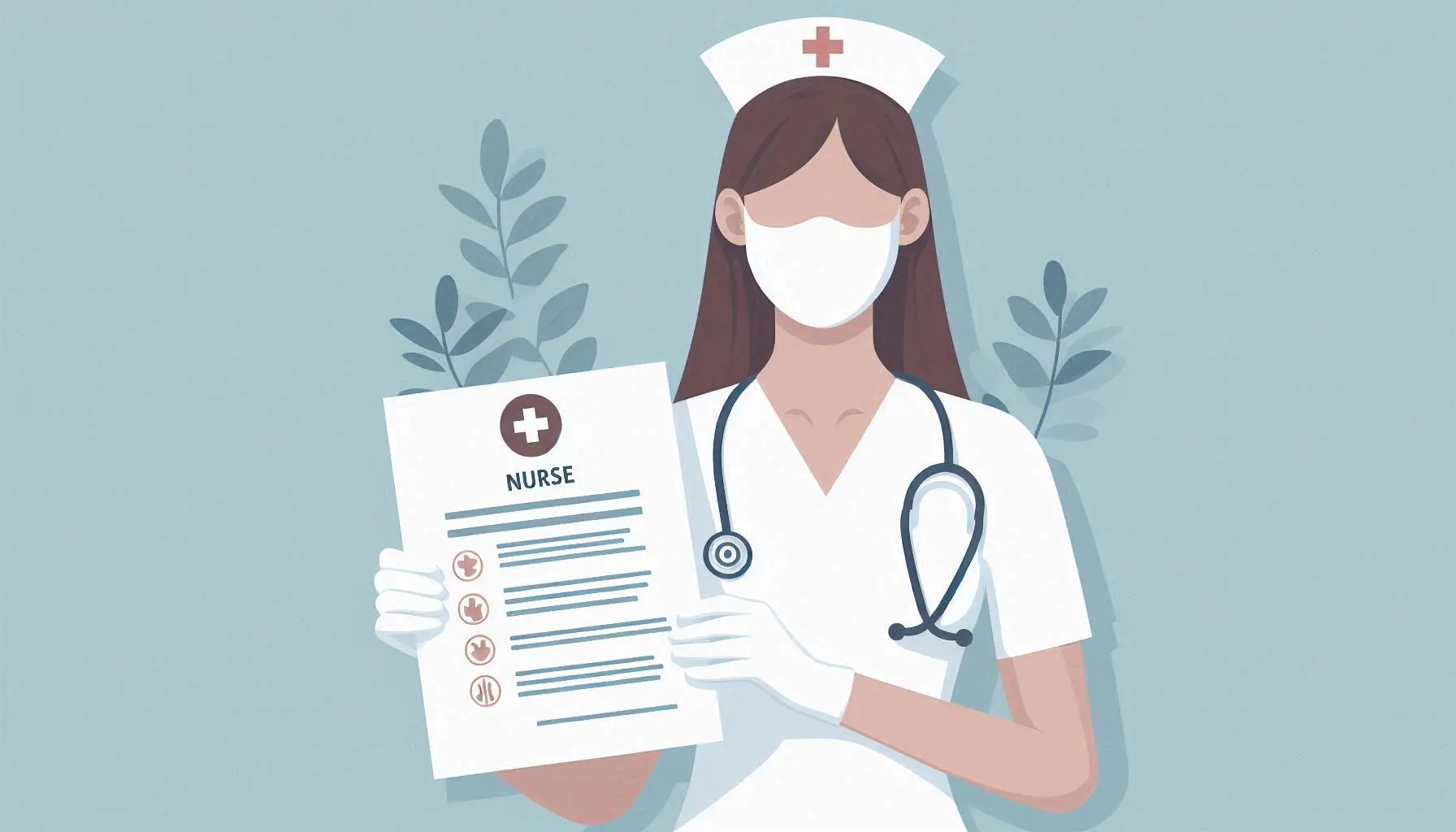

Nursing jobs demand a diverse range of skills to ensure safe and effective patient care. Therefore, when listing your nursing skills for resume, it is essential to highlight both hard and soft skills that reflect your clinical competence and professional abilities. Recruiters and hospitals look for candidates who can not only perform medical procedures but also communicate clearly, work under pressure, and adapt to different healthcare environments.
In this article, we cover the most important skills for nursing resume writing, including clinical skills, technical hard skills, and role-specific nursing skills. You will also find practical examples of nursing skills for resume sections and guidance on how to present them effectively, so your resume aligns with recruiter expectations and ATS requirements.
Clinical Skills for Nursing Resume
Clinical skills are the most important part of a nursing resume because they show your ability to provide direct patient care. Recruiters usually scan this section first to check whether your skills match the role and department.
Common clinical skills to include on a nursing resume:
- Patient assessment and monitoring
- Vital signs measurement
- Medication administration
- Wound care and dressing
- Catheterization
- Infection control and aseptic techniques
- Patient hygiene and mobility assistance
- Intake and output monitoring
These clinical skills are essential for bedside nursing roles such as staff nurses and registered nurses, and they also overlap with patient-facing healthcare positions like medical assistants, where clinical accuracy and documentation are equally important .
Technical (Hard) Skills for Nursing Resume
Technical or hard skills show your ability to work with medical systems, tools, and clinical technology used in healthcare settings. These skills are especially important for ATS screening and for roles that require accurate documentation and equipment handling.
Technical and hard skills to include on a nursing resume:
- Electronic Health Records (EHR / EMR) management
- Clinical documentation and charting
- Medical equipment handling
- Oxygen therapy administration
- ECG and vital monitoring devices
- Blood sample collection
- Basic life support (BLS) procedures
- Patient data confidentiality (HIPAA compliance)
These hard skills are critical for registered nurses and hospital-based roles, where accurate documentation and equipment use directly affect patient outcomes. Many of these technical competencies also overlap with allied healthcare roles that support physicians and nurses, such as those highlighted in a Medical Assistant Resume.
Soft Skills & Abilities for Nursing Resume
Soft skills support your clinical work and show how effectively you interact with patients, families, and healthcare teams.
Important soft skills to include on a nursing resume:
- Patient communication
- Active listening
- Emotional intelligence
- Compassion and empathy
- Team collaboration
- Time management
- Attention to detail
- Stress management
- Critical thinking
- Problem-solving
- Adaptability in clinical settings
- Professional ethics
- Family counseling and reassurance
- Conflict resolution
- Clear handover communication
- Multidisciplinary coordination
- Cultural sensitivity
These abilities are essential for nursing roles that involve continuous patient interaction and teamwork, and they closely align with expectations seen in other care-focused healthcare resumes such as a Caregiver Resume or Patient Care Resume.
Nursing Skills for Specialized & Related Nursing Roles
Different nursing roles require specific skill sets based on work environment, patient type, and level of responsibility.
Traveling Nurse Skills for Resume
Traveling nurses are expected to adapt quickly to new hospitals, teams, and systems while maintaining high standards of patient care.
Key skills to include on a traveling nurse resume:
- Rapid patient assessment
- Adapting to new hospital protocols
- Working with different clinical teams
- Cross-facility documentation and charting
- Familiarity with multiple EHR / EMR systems
- Independent clinical decision-making
- Emergency response readiness
- Time-efficient patient care
- Short-term assignment adaptability
- Strong clinical judgment under pressure
These skills are critical for short-term and high-mobility nursing roles and are commonly emphasized in resumes similar to a Travel Nurse Resume or a Registered Nurse Resume.
NICU Nurse Skills for Resume
NICU nurses require highly specialized skills to care for premature and critically ill newborns in intensive care settings.
Key skills to include on a NICU nurse resume:
- Neonatal vital signs monitoring
- Use of incubators and warmers
- Neonatal ventilator and respiratory support
- Administration of neonatal medications
- Monitoring oxygen saturation in infants
- Infection control in neonatal units
- Emergency response for neonatal complications
- Accurate neonatal documentation and charting
- Family communication in critical care settings
These skills are essential for neonatal intensive care roles and are typically expected in resumes for specialized positions such as a NICU Nurse Resume or Pediatric Nurse Resume.
Registered Nurse (RN) Skills for Resume
Registered nurses handle comprehensive patient care, coordination with medical teams, and clinical documentation across healthcare settings.
Key skills to include on a registered nurse resume:
- Patient assessment and care planning
- Medication administration and monitoring
- Clinical documentation and charting
- Monitoring patient progress and vital signs
- Coordinating with physicians and specialists
- Patient education and discharge planning
- Supervising junior nursing staff
- Infection control and patient safety protocols
- Emergency response and critical care support
These skills reflect core RN responsibilities and are essential for hospital, clinic, and specialty nursing roles, as seen in a Registered Nurse Resume or Staff Nurse Resume.
Medical Assistant Skills Relevant to Nursing Resume
Medical assistant roles share several overlapping responsibilities with nursing, especially in outpatient and clinical support settings.
Key medical assistant skills relevant for a nursing resume:
- Patient intake and medical history collection
- Vital signs measurement
- Clinical documentation and charting
- Assisting physicians during procedures
- Preparing examination rooms and equipment
- Sterilization of medical instruments
- Patient communication and follow-ups
- Scheduling and coordination support
These skills are useful to highlight when applying for nursing roles that involve outpatient care, clinics, or physician support environments, and they closely align with expectations seen in a Medical Assistant Resume.
International & Airplane Travel Nurse Skills for Resume
International and airplane travel nurses provide medical care during long-distance and in-transit travel, often in high-pressure and unpredictable environments.
Key skills to include on an international or airplane travel nurse resume:
- Emergency patient stabilization during travel
- In-flight medical response and first aid
- Monitoring patients in confined environments
- Coordination with international healthcare teams
- Medical documentation for cross-border care
- Knowledge of international health regulations
- Infection control during travel
- Crisis management and rapid decision-making
- Clear communication with flight crew and medical staff
These skills are essential for specialized travel nursing roles and are commonly highlighted in resumes similar to an International Nurse Resume or Travel Nurse Resume.
Qualifications for Nursing Resume (Skills vs Credentials)
Qualifications support your nursing skills and show that you meet the required educational and regulatory standards.
Common qualifications to include on a nursing resume:
- General Nursing and Midwifery (GNM)
- B.Sc Nursing
- M.Sc Nursing
- Diploma in Nursing
- Nursing Council registration (State or National)
- Basic Life Support (BLS) certification
- Advanced Cardiac Life Support (ACLS) certification
- Pediatric Advanced Life Support (PALS), if applicable
Additional qualifications that strengthen nursing resumes:
- ICU or critical care certification
- NICU specialization certification
- Infection control training
- Emergency nursing certification
- International nursing licensure (for overseas roles)
These qualifications are commonly listed alongside skills in resumes for professional nursing roles, such as a Registered Nurse Resume or specialized healthcare positions within broader Healthcare Resume Examples.
Skills to Put on Resume for Nursing (By Experience Level)
The nursing skills you list should match your level of experience and the type of role you are applying for.
Nursing Skills for Freshers
Freshers should focus on foundational clinical skills and hands-on training gained during education or internships.
Key nursing skills for fresher resumes:
- Basic patient care and assistance
- Vital signs monitoring
- Infection control practices
- Medication administration under supervision
- Patient hygiene and mobility support
- Clinical documentation basics
- Assisting senior nurses and physicians
- Patient communication and empathy
- Following hospital protocols
These skills are commonly expected in entry-level nursing roles and are relevant for resumes similar to a Fresher Nurse Resume or Entry-Level Healthcare Resume.
Nursing Skills for Experienced Professionals
Experienced nurses should highlight advanced clinical skills, leadership responsibilities, and specialized care abilities.
Key nursing skills for experienced nurse resumes:
- Advanced patient assessment
- Medication management and monitoring
- ICU and emergency care support
- Supervising junior nursing staff
- Care planning and implementation
- Critical decision-making
- Patient education and discharge planning
- Handling medical emergencies
- Coordination with multidisciplinary teams
These skills are essential for senior and specialized nursing roles, as reflected in resumes such as a Senior Nurse Resume or ICU Nurse Resume.
How to List Nursing Skills on a Resume
List nursing skills in a clear, scannable way so recruiters and ATS systems can quickly identify your strengths.
Best practices for listing nursing skills on a resume:
- Create a separate “Skills” section
- Use bullet points instead of sentences
- Prioritize clinical and technical skills first
- Match skills with the job description
- Avoid generic or vague skill terms
- Include role-specific and department-specific skills
Examples of nursing skills written correctly on a resume:
- Administered medications and monitored patient response
- Performed IV insertion and managed IV fluids
- Monitored vital signs and documented patient progress
- Assisted physicians during clinical procedures
- Maintained accurate electronic health records (EHR)
Common mistakes to avoid when listing nursing skills:
- Listing too many unrelated skills
- Using soft skills without clinical context
- Repeating the same skills in every section
- Writing long explanations instead of concise bullets
This approach works well for all nursing roles, from freshers to experienced professionals, and aligns with resume formats commonly used in a Nursing Resume or Registered Nurse Resume.
Final Tips for Choosing the Right Nursing Skills for Resume
Choosing the right nursing skills is more important than listing too many. Focus on relevance, accuracy, and alignment with the role you’re applying for.
Final tips to strengthen your nursing skills section:
- Prioritize clinical and technical skills over generic traits
- Match skills with the job description and department
- List only skills you can confidently perform
- Separate skills from qualifications and certifications
- Update skills as you gain new clinical experience
- Tailor skill lists for specialized roles (NICU, travel, international nursing)
A well-structured, skills-focused resume helps recruiters quickly assess your suitability for nursing roles and improves your chances of passing ATS screening. This approach works across various nursing and healthcare resumes, including staff nurse, registered nurse, and other patient-care roles.
Frequently Asked Questions (FAQs)
The most important nursing skills include clinical skills like patient assessment, medication administration, IV management, vital signs monitoring, and infection control, along with technical skills such as EHR documentation and medical equipment handling.
Ideally, list 10–15 relevant nursing skills. Focus on quality and relevance rather than quantity, and prioritize clinical and technical skills over generic soft skills.
Yes, but only alongside clinical skills. Soft skills such as patient communication, teamwork, and stress management should support your technical and clinical abilities, not replace them.
Yes. IV-related skills like IV insertion, fluid administration, and monitoring IV complications are highly valued and should be clearly listed if you have hands-on experience.
Freshers should include foundational skills such as basic patient care, vital signs monitoring, infection control, documentation support, assisting senior nurses, and patient communication.
Yes. Nursing skills should be tailored based on the role and setting, such as staff nurse, NICU nurse, travel nurse, or international nursing roles, to match job-specific requirements.